
Nonea caspica
Nonea caspica
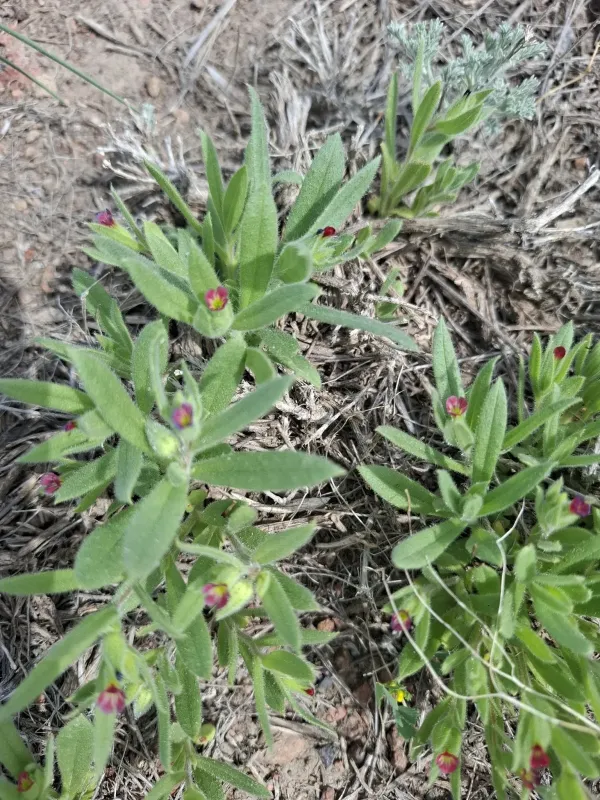
Description
Sowing dates
Nonea caspica is an annual herbaceous plant that propagates through seeds, typically germinating during the favorable moisture conditions of spring.
In a controlled agricultural or experimental setting, seeds should be sown at a shallow depth of approximately 1–2 centimeters for optimal emergence.
The timing of sowing is critical; it must align with soil temperatures warming up to at least 10 degrees Celsius to ensure uniform sprouting.
Proper spacing between plants is essential to accommodate the initial rosette growth phase and minimize competition for nutrients.
Given its natural biological cycle, autumn sowing in some climatic zones may also be feasible if the seeds require a period of vernalization.
Growing requirements
As a member of the Boraginaceae family, this species is well-adapted to the harsh environments of the Caspian region's steppes and semi-deserts.
The plant exhibits high tolerance to drought, utilizing its root structure to access water deep within the soil profile during dry spells.
It thrives in light, well-aerated soil types, such as sandy loams and chestnut soils, which are characteristic of its native habitat.
Nonea caspica requires full sun exposure throughout the day, as it is highly sensitive to shading and thrives in open, arid landscape conditions.
It is capable of handling significant temperature fluctuations, which are typical for the continental climate of its primary distribution range.
Main diseases and pests
Powdery mildew is a primary fungal threat to Nonea caspica, particularly in environments with poor air circulation or high relative humidity levels.
Root rot pathogens may affect the plant during excessively wet springs, leading to a rapid decline in plant health and overall vigor.
Aphid infestations are frequently observed on younger vegetative tissues, often leading to stunted growth if left unmanaged during the blooming phase.
Various coleopteran pests, specifically leaf beetles, frequently target the foliage, causing mechanical damage that reduces photosynthetic efficiency.
Effective management requires maintaining good soil drainage and monitoring early seasonal growth to address pest outbreaks before they become severe.