
Nonea pallens
Nonea pallens
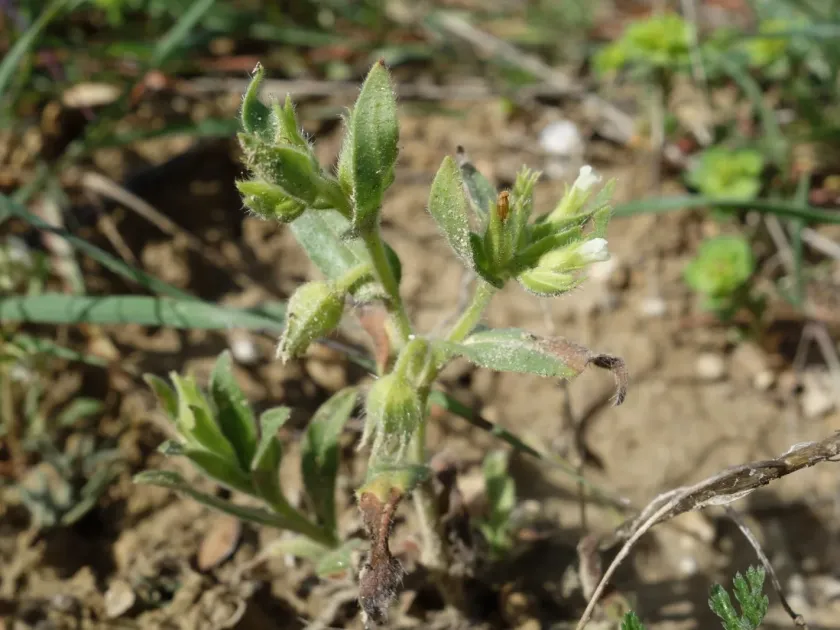
Description
Growing requirements
Nonea pallens is a perennial herbaceous plant belonging to the Boraginaceae family. It is recognized by its distinct pubescence and resilient root system, which are evolutionary adaptations designed to help the plant thrive in arid or semi-arid environments where water availability is inconsistent.
The native range of this species extends across parts of the Caucasus and Central Asia, primarily in habitats characterized by stony, calcareous, or sandy soils. It is highly adapted to ecological niches where the competition from more vigorous, moisture-demanding vegetation is significantly lower.
Climate requirements for Nonea pallens focus on high solar radiation and resistance to diurnal temperature fluctuations. The plant requires well-drained soil; water stagnation is particularly detrimental to its health, as it promotes root rot and reduces the overall vigor of the crop during the growing season.
Agricultural management should prioritize soil aeration to support the deep taproot development typical of the species. Minimal tillage is often sufficient, provided that the soil structure remains loose and free from compaction, allowing for optimal gas exchange and nutrient uptake in varied landscape conditions.
The potential хозяйственное (economic) use of Nonea pallens lies in its role as a honey-producing plant, attracting various pollinators that support local biodiversity. Furthermore, research into the phytochemical properties of its extracts is ongoing, exploring its utility in medicinal and pharmaceutical formulations.
Main diseases and pests
The primary pathological threat to Nonea pallens is powdery mildew, which often arises due to excessive ambient humidity or poor air circulation within the canopy. This fungal disease creates a powdery white film on the leaves, severely hindering the plant's photosynthetic efficiency and growth rate.
Regarding pest pressure, the plant is susceptible to aphid infestations during its active flowering stage. These pests feed on the sap of young stems and developing buds, which can significantly reduce seed yield and weaken the plant's overall resilience against secondary infections or environmental stressors.
Effective pest control involves an integrated approach, prioritizing preventive measures such as ensuring appropriate plant spacing to maintain airflow. If infestations occur, the use of biological control agents or soft insecticides is recommended to manage the pest population without harming beneficial pollinators.
Weed management is critical in the early stages of establishment, as young plants compete poorly with aggressive opportunistic weeds. Mechanical weeding is the most viable strategy, as it simultaneously improves soil aeration and disrupts the life cycle of soil-borne pests living in the rhizosphere.
Strategic crop rotation is essential to prevent the accumulation of pathogens in the soil. Avoiding fields previously planted with other Boraginaceae species reduces the risk of specific diseases establishing themselves, thereby maintaining the long-term productivity of the plantation site.