
Nonea philistaea
Nonea philistaea
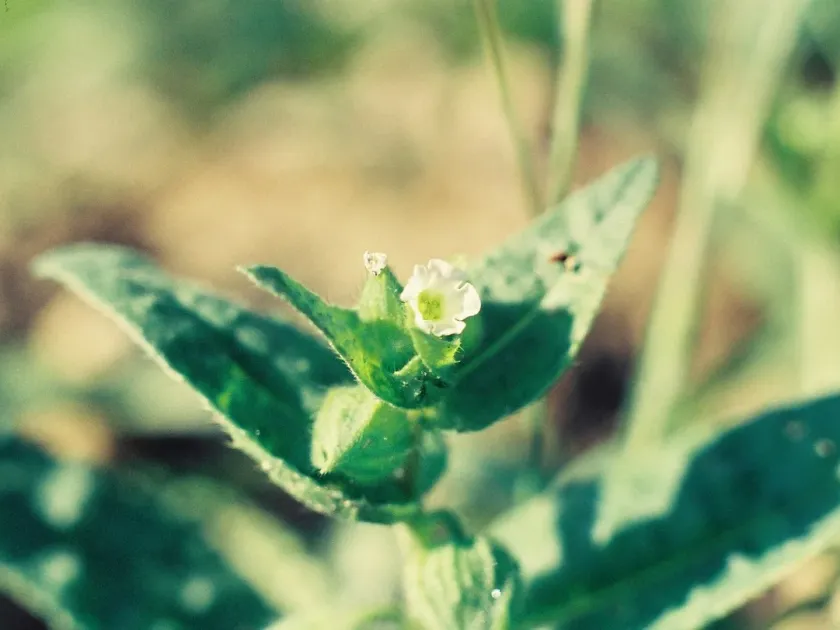
Description
Sowing dates
Nonea philistaea is typically an annual or biennial herbaceous plant whose life cycle begins with seed germination in autumn or early spring. The optimal sowing times in its natural habitats occur after the first rains, which provide sufficient soil moisture for successful seed stratification.
When cultivated for specific purposes, sowing is carried out in rows, maintaining distance between plants to ensure access of sunlight to the leaf rosette. The seeds possess high germination rates, yet require preliminary calibration to achieve uniform and dense emergence across the field.
The sowing depth should not exceed 1–2 centimeters, as small seeds have a limited supply of nutrients for germination from deep soil layers. The use of high-quality planting material is the key to forming a powerful root system during the initial phases of vegetation.
Sowing in open ground is recommended when the soil warms up to 10–12 degrees Celsius, which promotes rapid enzyme activation in the embryo. In arid climates, crops are mulched to retain soil moisture, which is critical for young plants.
The crop demonstrates high adaptability to sowing dates in Mediterranean regions, however, shifting the dates to hotter months without organized irrigation leads to a sharp decrease in germination energy and thinning of the plant stand.
Growing requirements
Nonea philistaea belongs to the Boraginaceae family and is a typical representative of xerophytic flora adapted to living in conditions of limited moisture. It prefers well-drained sandy or loamy soils with a neutral or slightly alkaline pH.
The plant has a high demand for intense solar illumination; therefore, when choosing a cultivation site, one should avoid shading by trees or structures. A lack of light leads to stem elongation and a significant decrease in the concentration of biologically active substances in the aerial parts.
The crop has moderate requirements for humus content but is sensitive to waterlogging, which causes root collar decay. Ideal predecessors are cereal crops that do not leave behind soil-borne pathogens affecting the Boraginaceae family.
Cultivation practices include mandatory inter-row cultivation to improve aeration of the root system. Mineral fertilizer application must be dosed: excess nitrogen provokes excessive leaf mass development at the expense of reproductive organs and reduces lodging resistance.
During the vegetative period, the plant successfully withstands short periods of drought, which is due to the presence of pubescence on stems and leaves, reducing transpiration. The optimal temperature range for active growth is between 18 and 25 degrees Celsius.
Main diseases and pests
The main threats to this crop are fungal diseases that develop under high humidity and poor ventilation. Powdery mildew is particularly dangerous, covering leaves with a white coating and disrupting the photosynthesis process.
Among pests, various aphid species cause the most damage to crops, as they suck cell sap from young shoots and buds. Plant damage by weevils, which affect the stem part and reduce the overall vitality of the crop, is also noted.
To control the population of harmful organisms, it is recommended to conduct preventive inspections of crops during the budding phase. The use of biological control agents is preferred if the crop is intended for further use in food or medical industries.
Root rots may occur due to systematic violation of irrigation regimes and soil waterlogging. Preventing these diseases is achieved through proper crop rotation and the use of high-quality drainage in fields with heavy soil types.
In general, Nonea philistaea possesses a relatively high immunity to most standard agricultural pests, making it promising for environmentally friendly farming, provided that plant density is monitored.