
Neoregelia macrosepala
Neoregelia macrosepala L. B. Sm.
Description
Growing requirements
Neoregelia macrosepala is an epiphytic species belonging to the Bromeliaceae family, native to the tropical rainforests of South America. This plant has evolved to grow on the bark of trees, adapting to high-humidity environments where it captures moisture directly from the tropical atmosphere through its unique leaf structure.
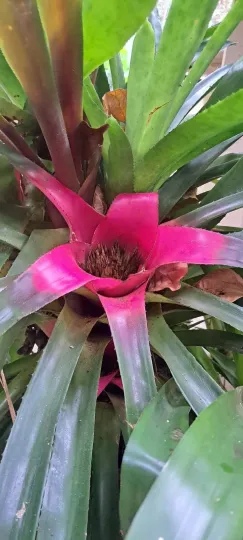
The botanical structure of the plant is centered around a rosette of tough, leathery leaves that form a central reservoir or tank. This tank acts as a survival mechanism, collecting rainwater and organic debris that provide the plant with nutrients. The flowers are typically enclosed within this central rosette, often protected by colorful, prominent bracts.
Successful cultivation of Neoregelia macrosepala requires a warm environment with temperatures consistently between 20 and 26 degrees Celsius. High ambient humidity is essential for the health of the plant, often requiring the use of a humidifier or regular misting to mimic the tropical forest climate of its natural habitat.
The planting substrate must be extremely porous and well-drained. A mixture of orchid bark, perlite, and high-quality peat moss is recommended to ensure that the root system has access to air and is not subjected to waterlogging. Since the plant is an epiphyte, it does not rely heavily on soil for nutrition.
Exposure to bright, indirect light is necessary for the plant to maintain its vibrant leaf coloration and compact rosette shape. Direct sunlight should be avoided during the peak hours of the day to prevent leaf scorch, which can leave permanent brown spots on the foliage and weaken the plant's structural integrity.
Main diseases and pests
The most common pests affecting this species include scale insects and mealybugs, which are often found in the leaf axils. Frequent inspection of these areas is required, and infestations should be treated with appropriate horticultural oils or insecticidal soaps to ensure the plant remains vigorous and pest-free.
Root rot and crown rot represent the most significant threats to Neoregelia macrosepala, usually resulting from overwatering or poorly draining soil. To prevent these infections, growers must ensure that the water in the central tank is occasionally refreshed and that the potting media is allowed to dry slightly between waterings.