
Neoregelia carolinae
Neoregelia carolinae (Beer) L. B. Sm.
Description
Growing requirements
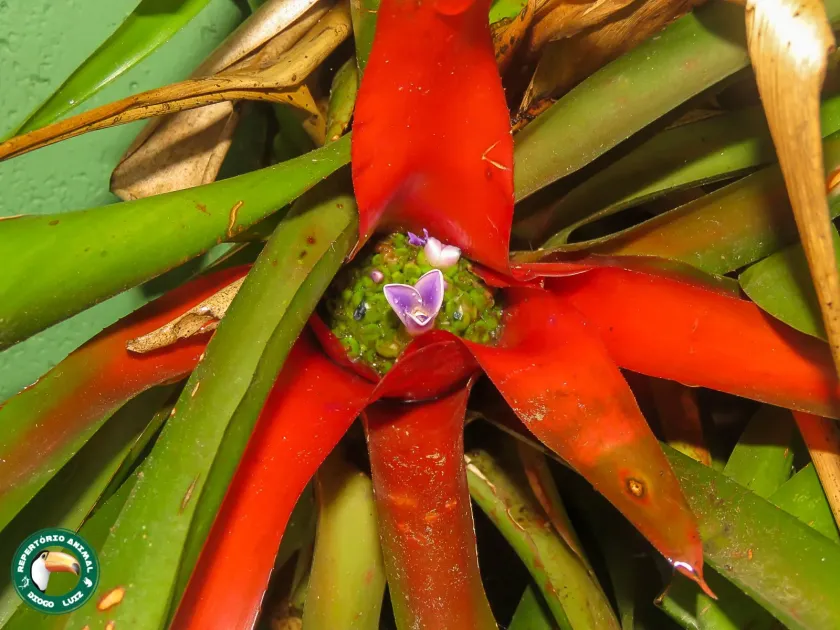
Neoregelia carolinae is a perennial epiphytic plant belonging to the Bromeliaceae family, native to the tropical rainforests of Brazil. It is characterized by its large, rosette-forming leaves that provide a stunning display, especially when the center turns bright red before flowering.
For optimal growth, this crop requires a warm climate with temperatures consistently between 20°C and 25°C. It is intolerant of frost and cold drafts; thus, ambient temperatures should never drop below 16°C, as the plant will suffer significant physiological stress.
Light intensity is a critical factor for successful cultivation. The plant thrives in bright, filtered light. Too much shade leads to elongated leaves and loss of color, while direct sunlight will quickly scorch the delicate foliage and damage the plant's surface.
The choice of growing medium is vital for epiphytes. Neoregelia requires a well-aerated, loose substrate with excellent drainage, typically consisting of orchid bark, peat moss, charcoal, and perlite. This structure prevents root suffocation and promotes healthy development.
Watering practices differ from terrestrial crops, as Neoregelia is designed to capture moisture in its central reservoir (tank). Growers must ensure the central cup is kept filled with clean, fresh water, while the root zone in the pot remains only slightly moist to prevent rot.
Main diseases and pests
Common pests affecting Neoregelia carolinae include scale insects and mealybugs, which often hide in the tight leaf axils. These pests drain the plant's sap, leading to stunted growth and the potential for secondary viral or fungal infections.
Fungal diseases, specifically root and crown rot, are the primary threats during cultivation. These are almost exclusively caused by overwatering or poor ventilation, which prevents the substrate from drying out sufficiently between waterings.
Preventive measures include maintaining high ambient humidity without causing water stagnation in the crown. It is also recommended to flush the central tank with fresh water every few weeks to prevent the buildup of mineral salts and decaying organic matter.
If an infestation occurs, contact insecticides are effective, but care must be taken to choose products that are non-phytotoxic to sensitive bromeliad leaves. Manual removal of pests using a cotton swab dipped in isopropyl alcohol is often sufficient for minor localized issues.
Constant monitoring of the plant's central area is essential, as the base of the leaves is the most susceptible part of the plant. A healthy, clear, and vibrant center is the primary indicator of the plant's overall vigor and resistance to biotic stressors.