
Nageia
Nageia
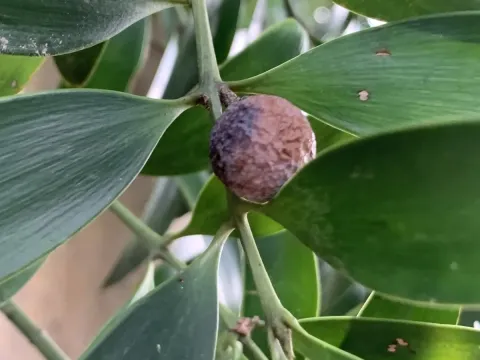
Nageia is a genus of evergreen coniferous trees and shrubs belonging to the Podocarpaceae family. These plants are distinctive due to their broad, flat leaves, which differentiate them from most other conifers and give them a unique appearance similar to broad-leaved plants.
What the section contains


Nageia
The native range of Nageia encompasses the tropical and subtropical regions of Asia, including China, Japan, and parts of the Indo-Pacific. Their natural habitats are typically humid forests, which dictates their specific environmental requirements in an agricultural or horticultural setting.
The crop requires well-drained, acidic soil that is rich in organic matter. Proper soil aeration is critical, as Nageia is highly susceptible to root diseases caused by waterlogging, requiring a carefully planned drainage system for pot-grown or greenhouse specimens.
Nageia thrives in temperate climates with high humidity and protection from harsh, direct sunlight. In commercial or landscape use, it is often grown as an ornamental plant where climatic conditions allow for year-round outdoor growth or seasonal indoor protection.
Agronomic management involves consistent irrigation and the application of balanced fertilizers during the growing season. Pruning is essential for maintaining aesthetic shape and structural integrity, as the plant can become quite large if left unmanaged.
The primary pests affecting Nageia include scale insects and mealybugs, which tend to congregate on the underside of the leaves. Monitoring programs and the use of horticultural oils are standard methods for managing these infestations in controlled environments.
Pathogens such as Phytophthora or other fungi that cause root decay are significant risks. Maintaining optimal irrigation schedules and ensuring excellent soil drainage are the most effective cultural controls to mitigate these fungal threats.