
Myrceugenia
Myrceugenia
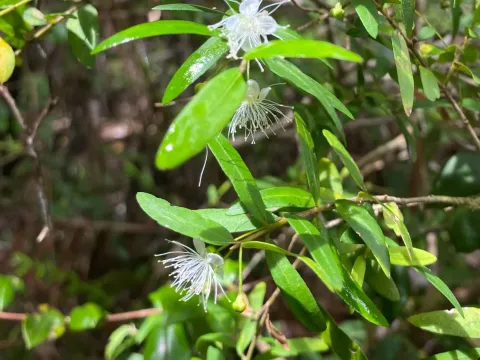
Myrceugenia is a genus of evergreen trees and shrubs belonging to the Myrtaceae family. Sharing genetic heritage with species like Myrtus and Eugenia, these plants are known for their dense foliage and aromatic leaves.
What the section contains


Myrceugenia
The native habitat of this genus is primarily situated in South America, specifically in the temperate rainforests of Chile and Argentina. They thrive in environments characterized by high humidity and moderate temperatures throughout the year.
Cultivation requires fertile, well-draining soil with a slightly acidic pH level. It is crucial to prevent waterlogging, as the root systems of these species are highly susceptible to rot when kept in consistently saturated substrates.
Regarding environmental conditions, Myrceugenia prefers bright, filtered light. While they can adapt to partial shade, full sun exposure is generally preferred for optimal growth, provided that the soil moisture remains consistent.
Thermal tolerance varies by species, but generally, these plants are not frost-hardy. In regions experiencing freezing winters, they must be cultivated in greenhouses or controlled indoor environments to maintain long-term health.
Common plant health issues include fungal infections, such as root rot and leaf spot, which are often exacerbated by poor ventilation and high humidity. Regular inspection of the undersides of leaves is recommended to detect these conditions early.
Pests such as scale insects, aphids, and spider mites can infest Myrceugenia, especially in indoor settings where air circulation may be stagnant. These pests extract sap from tender growth, leading to yellowing and potential leaf drop.
Integrated pest management strategies are preferred: washing the foliage with mild soap solutions or using horticultural oils is often sufficient for small-scale infestations. Avoid excessive use of broad-spectrum chemical pesticides.
Soil-borne pathogens represent a hidden threat; therefore, the use of sterile potting media is essential when transplanting young specimens. Proper sanitation of gardening tools is also critical to prevent the spread of diseases between plants.
Nutrient deficiencies, specifically iron chlorosis, can occur if the soil pH becomes too alkaline. This manifests as interveinal yellowing of new leaves, which can be corrected by adjusting the soil acidity or applying chelated iron supplements.