
Myrceugenia euosma
Myrceugenia euosma
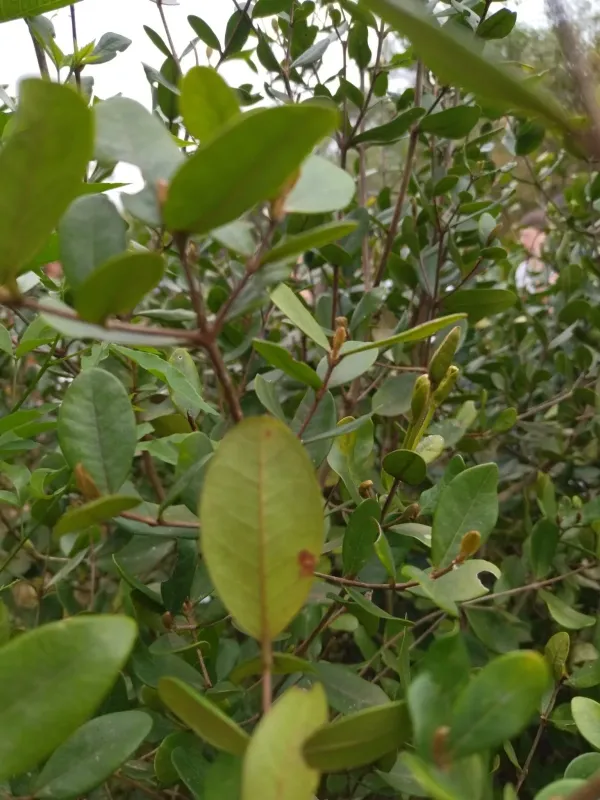
Description
Growing requirements
Myrceugenia euosma is an evergreen shrub or small tree belonging to the Myrtaceae family. Native to the temperate rainforests of Chile, this species is highly valued for its dense foliage and aromatic characteristics. As a botanical specimen, it reflects the biodiversity of the South American temperate zone, adapting well to humid and mild climates.
The plant requires well-drained, fertile soil rich in organic matter to thrive. It performs best in slightly acidic to neutral soil pH. Water management is critical; while the plant enjoys consistent moisture, it is intolerant of waterlogged conditions which may lead to root rot. Providing a site with dappled shade is ideal for young specimens.
Climatic adaptability of Myrceugenia euosma centers on temperate, frost-free or near-frost-free environments. It flourishes in areas with high humidity and stable annual temperatures. It should be sheltered from harsh, dry winds that can cause excessive leaf transpiration and stress the plant, particularly during its active growth phase.
Cultivation practices involve applying balanced, slow-release fertilizers in early spring to encourage vegetative vigor. Mulching is recommended to maintain stable soil moisture and protect the root zone from temperature fluctuations. Pruning should be performed sparingly, mainly to remove dead wood and shape the plant for aesthetic purposes in landscaping projects.
In terms of хозяйственное использование, this plant is primarily utilized in horticulture and landscape design. Its ability to form dense screens makes it suitable for hedges in mild climates. While it produces fruits, its primary agricultural value lies in its role as a decorative botanical treasure for specialized gardens and botanical collections.
Main diseases and pests
The primary threats to Myrceugenia euosma are fungal pathogens, specifically those causing root rot, often triggered by poor drainage. Symptoms include leaf yellowing and dieback of young shoots. Preventing these issues relies on soil structure management and ensuring proper airflow around the base of the plant to minimize humidity accumulation.
Insect pests such as scale insects and aphids may occasionally infest the plant, feeding on succulent new growth. These pests can weaken the overall health of the shrub if left uncontrolled. Integrated pest management, including the use of horticultural oils or systematic insecticides during early infestation stages, is the most effective approach for maintaining plant health.