
Muscadine grape
Vitis rotundifolia Michx.
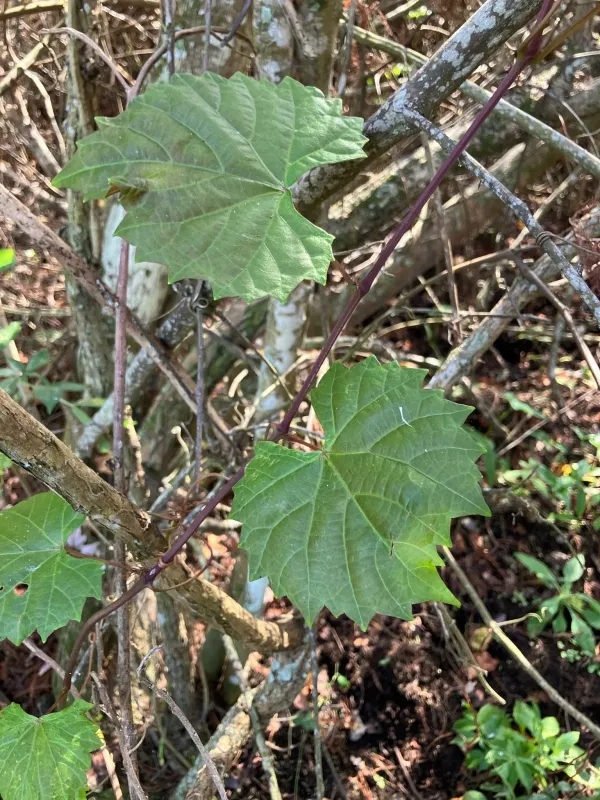
Description
Growing requirements
Muscadine grape, botanically known as Vitis rotundifolia, is a species of grape native to the southeastern and south-central United States. It belongs to the Vitaceae family and is highly adapted to warm, humid climates.
This crop thrives in regions with long, hot growing seasons and is sensitive to extreme frost. Unlike traditional Vitis vinifera, muscadines require specific environmental conditions that mimic their natural habitat.
The ideal soil for muscadine cultivation is deep, well-drained, and sandy loam with a pH level between 6.0 and 6.5. Good drainage is crucial, as the root system is sensitive to waterlogged conditions.
Botanically, Vitis rotundifolia is characterized by non-shredding bark and simple, circular leaves with dentate margins. These traits provide a natural defense against many pests and diseases common to other grape species.
Muscadines are widely used for fresh consumption, winemaking, and the production of high-value processed goods such as jellies, jams, and juices. Their thick skins and rich aromatic profile make them distinct in the market.
Yield
Productivity in muscadine vineyards depends heavily on the choice of cultivars and the inclusion of self-fertile or pollinator varieties. Since many cultivars are pistillate, proper planning of the planting layout is essential.
The yield potential is significant when managed with proper trellising systems, such as the Geneva Double Curtain or single-wire cordons. These systems ensure adequate light penetration and air circulation.
Regular pruning during the dormant season is required to manage vegetative growth and fruit set. Proper canopy management ensures that energy is directed towards berry development rather than excessive foliage.
High yields are achievable when plants are provided with adequate irrigation, particularly during the fruit enlargement stage. Water stress during this period can lead to fruit abscission or smaller berry size.
A well-maintained muscadine vine can be productive for over twenty years. Growers focus on balanced fertilization based on soil testing to sustain vigor and long-term fruit production.
Main diseases and pests
Muscadines are remarkably resistant to many diseases that plague other grape species, including Pierce's disease and phylloxera. This natural resistance reduces the need for heavy chemical intervention.
However, fungal issues such as bitter rot, powdery mildew, and angular leaf spot can occur under high humidity. Integrated pest management strategies are advised to keep these in check.
The most significant vertebrate pests are birds and sometimes mammals like raccoons. Using protective netting over the vines is a standard practice to prevent major harvest losses during the ripening phase.
Insect pests such as grape root borers or leafhoppers can occasionally cause damage. Regular monitoring and timely application of specific insecticides, if needed, are important for vineyard health.
Maintaining a clean vineyard floor and removing infested plant debris significantly reduces the overwintering potential of pathogens and pests, ensuring a healthier crop for the following year.
Harvesting
Harvesting muscadines is a nuanced task because the berries within a cluster do not ripen simultaneously. Growers must perform multiple passes through the vineyard to collect fruit at peak maturity.
The berries change color—from green to bronze or dark purple—when mature, and they emit a sweet, musk-like aroma. Softening of the berry skin is also a reliable indicator of ripeness.
Because the berries are prone to dropping once fully ripe, many producers use mechanical harvesting aids or ground covers to catch falling fruit, minimizing waste during the busiest collection days.
Post-harvest care involves immediate cooling of the berries to maintain firmness. Since the pedicel (stem) attachment point is thin, gentle handling is required to avoid tearing the skin and losing juice.
Fresh muscadines have a relatively short shelf life and should be sold or processed within 24 to 72 hours. Proper cold storage is vital if fruit needs to be held for a short period before final use.