
Montpelier rockrose
Cistus monspeliensis L.
Description
Sowing dates
Seeds of the Montpelier rockrose are typically sown in early spring. Cold stratification for about four to six weeks is highly recommended to break dormancy and ensure high germination rates.
Use a well-draining, sandy-based seed compost. Seeds should be sown on the surface and pressed lightly, as they require light to germinate effectively and should not be covered with a thick layer of soil.
Maintain a stable temperature between 18–22 degrees Celsius. Constant light exposure during the seedling stage is essential to prevent etiolation and promote a sturdy, compact habit.
Transplant the seedlings into individual pots once they develop their first set of true leaves. This allows the root system to establish without competition from neighboring plants.
Planting out into the garden should be timed after the final frost. Choose a sunny, open location that receives at least six hours of direct sunlight daily to mimic the plant's natural habitat.
Growing requirements
Cistus monspeliensis is a woody evergreen shrub belonging to the Cistaceae family. Native to the Mediterranean region, it is well-adapted to hot, dry summers and mild, wet winters.
The plant thrives in poor, rocky, and fast-draining soils. It is particularly valued for its xeriscaping properties, as it requires very little maintenance once established in a suitable environment.
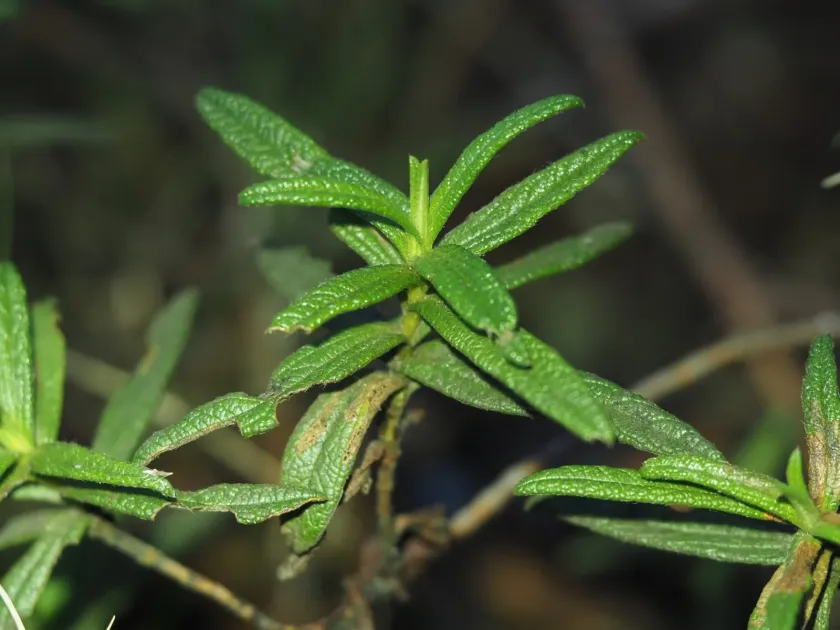
Botanically, it is identified by its narrow, lance-shaped, sticky leaves that emit a pleasant resinous aroma. In late spring, the plant produces an abundance of white flowers with bright yellow centers.
Cultural care involves minimal intervention. Avoid rich or fertilized soils, as excessive nitrogen results in weak growth. Periodic pruning after flowering is necessary to maintain a tidy shape and prevent woodiness.
Ensure that the soil is neutral to slightly acidic. Providing excellent drainage is the most critical factor for the longevity of this shrub, as it is highly susceptible to root rot.
Main diseases and pests
The primary concern regarding the health of the Montpelier rockrose is root rot, typically caused by improper drainage and waterlogged soil conditions, especially during the dormant winter months.
Pests such as aphids and spider mites can occasionally affect the plant during hot, dry spells. Regular inspection of the foliage is advised, and infestations can usually be managed with gentle horticultural soaps.
Fungal diseases like powdery mildew may appear in environments with poor air circulation or excessive humidity. Ensuring proper spacing between plants is an effective preventive measure.
Physical damage to the root system during planting or deep cultivation near the base of the plant can lead to rapid decline and increase susceptibility to secondary soil-borne pathogens.
Regular sanitation, which includes removing dead or broken branches, helps minimize the risk of infection and promotes better airflow throughout the canopy of the shrub.