
Monoon sclerophyllum
Monoon sclerophyllum
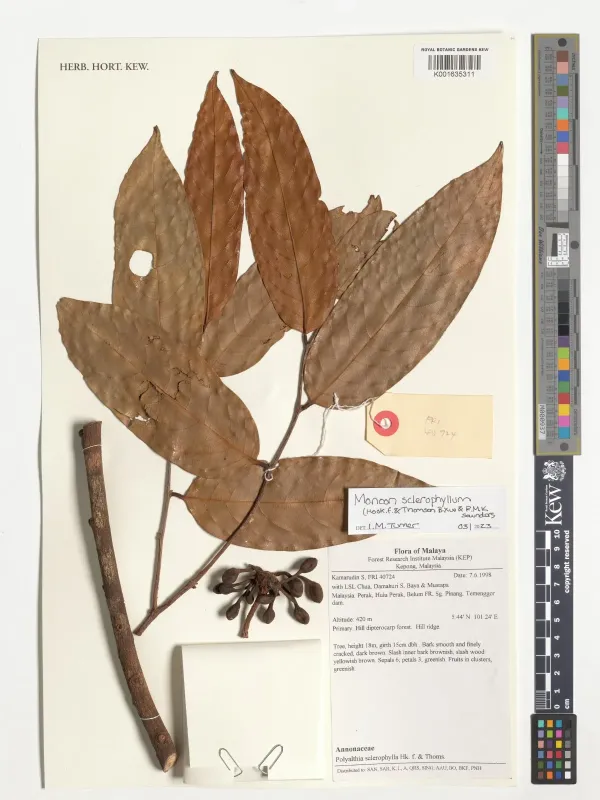
Description
Growing requirements
Monoon sclerophyllum is a notable evergreen tree species within the Annonaceae family. Originating from the humid forests of Southeast Asia, this plant thrives in ecological niches characterized by consistent warmth and abundant moisture throughout the year.
The climate requirements for this species are specific, demanding high average temperatures with minimal fluctuations. Frost or cold snaps are detrimental to the plant, making it suitable only for regions that simulate a tropical or subtropical climate.
Soil management for Monoon sclerophyllum involves selecting substrates that are rich in organic matter and possess excellent permeability. Heavy, water-logged clays should be avoided, as the root system of this species is highly susceptible to decay in stagnant conditions.
Agrotechnical practices focus on providing adequate shade for seedlings, as young specimens are sensitive to intense UV exposure. As the tree matures, its tolerance to ambient light increases, but maintaining a balanced microclimate remains a priority for optimal growth.
Regular maintenance includes nutrient supplementation using balanced organic fertilizers. Ensuring the soil pH remains in the slightly acidic range is essential for nutrient bioavailability and the overall health of the vegetative canopy.
Main diseases and pests
Plant health is primarily compromised by fungal pathogens, which proliferate in environments with high humidity and poor air circulation. Root rot is a common issue if water drainage systems are not strictly managed in the field.
Pest populations, including scale insects and mealybugs, are frequently observed on the foliage and tender stems. These pests can significantly stunt the development of the tree if left uncontrolled, leading to leaf drop and decreased vigor.
Effective management requires a regular scouting program to identify early signs of infestation. Integrated pest management (IPM) strategies, including the use of neem oil or targeted biological controls, are highly recommended for sustainable growth.
Sanitation practices are vital in mitigating the spread of disease. Removing fallen leaves and debris from the base of the tree prevents the accumulation of inoculum, which can trigger primary infections after rainfall events.
Crop monitoring also involves assessing the general vigor of the tree. Discoloration or wilting of the foliage often serves as an early warning system for environmental stress or the onset of systemic fungal issues that require immediate intervention.