
Monoon jucundum
Monoon jucundum
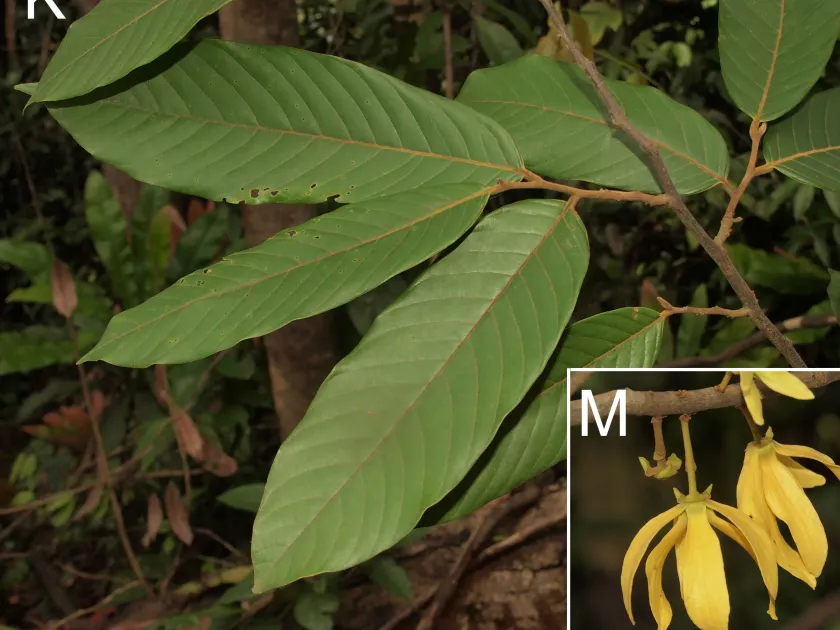
Description
Growing requirements
Monoon jucundum is a member of the Annonaceae family, known for its elegant evergreen foliage and role in tropical forest ecosystems. It typically thrives in regions with stable tropical climates.
The cultivation of this species requires deep, fertile, and well-drained soils. Rich organic matter content is essential for supporting the rapid growth cycle characteristic of many Annonaceae plants.
Climate requirements include high atmospheric humidity and protection from cold temperatures. The species is not adapted to frost, making it suitable only for tropical or subtropical zones.
Sunlight exposure should be managed carefully. While mature specimens can handle partial shade, young saplings often require protection from harsh direct afternoon sun to prevent leaf scorching.
Proper irrigation management is vital to ensure soil moisture consistency without allowing waterlogging. Good soil aeration helps maintain healthy root development and prevents oxygen deficiency.
Harvesting
The primary use of Monoon jucundum is in landscape architecture and ornamental gardening. Its symmetric growth habit makes it a popular choice for avenues and park embellishment.
In local agroforestry practices, the tree contributes to soil structure improvement and provides necessary shade for understory plants, creating a balanced forest microclimate.
Seed harvesting should occur immediately after the fruit matures to maintain viability. The seeds are recalcitrant, meaning they lose germination potential if dried or stored for long periods.
Maintenance involves routine pruning to remove deadwood and shape the canopy. This helps in maintaining the tree's health and aesthetic appeal throughout the growing season.
Despite being a hardy species in its native range, monitoring for environmental stress is crucial for preventing susceptibility to opportunistic pests and localized fungal infections.