
Monoon lateriflorum
Monoon lateriflorum
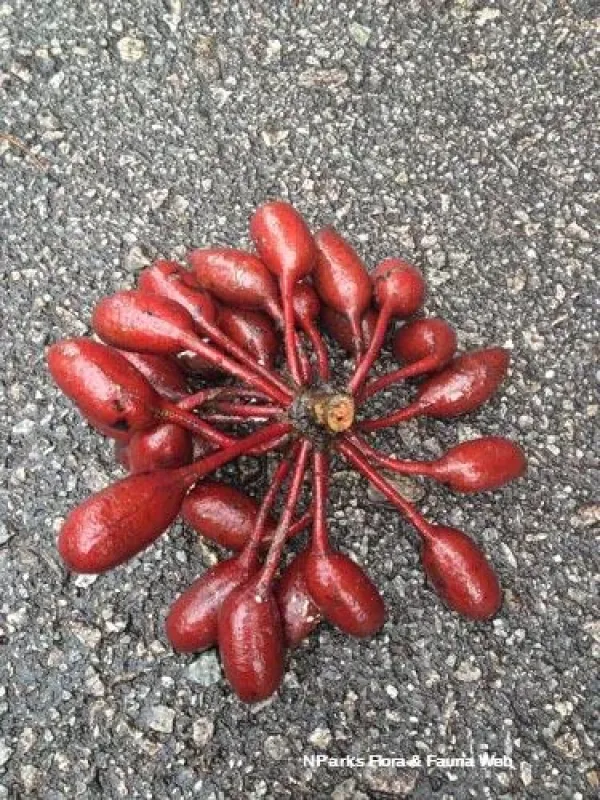
Description
Growing requirements
Monoon lateriflorum is a tropical evergreen tree belonging to the Annonaceae family. Native to the rainforests of Southeast Asia, this species thrives in humid environments where environmental conditions remain consistent throughout the year.
Agricultural requirements for this crop focus on high humidity and warm temperatures. It is strictly a tropical species, requiring temperatures between 20°C and 30°C for optimal metabolic activity. Exposure to cold currents must be avoided at all times.
The soil profile should be deep and well-draining, with a high content of organic matter. In nursery or plantation settings, it is essential to replicate forest floor conditions, which typically involve a slightly acidic pH and substantial mulch cover to retain moisture.
Light management is a critical factor for Monoon lateriflorum. As a natural sub-canopy species, it requires filtered light. Excessive direct solar radiation can damage the leaf cuticle and inhibit photosynthesis, making shade netting a standard necessity in open-field cultivation.
Irrigation practices must be frequent but carefully controlled. The plant requires constant soil moisture; however, waterlogging should be strictly prevented to ensure root health and prevent the development of anaerobic conditions in the rhizosphere.
Harvesting
Harvesting Monoon lateriflorum involves the systematic collection of fruits from the trunk and major branches. The fruit exhibits cauliflory, which simplifies the manual harvest process compared to trees with high-canopy fruit sets.
The harvest period is determined by fruit firmness and pigmentation. Once the fruits reach maturity, they are hand-picked to avoid bruising the delicate exocarp, which is susceptible to rapid post-harvest degradation if mishandled.
Post-harvest handling consists of cleaning the fruits and preparing them for immediate distribution. Due to their perishable nature, the shelf life is limited, and cold storage is often employed to maintain freshness during the supply chain process.
Propagative material is collected immediately after the harvest. The seeds must be extracted from the fruit pulp and cleaned, as the sugars in the pulp can promote fungal growth if left in contact with the seed during the germination phase.
Sustainability in production is maintained by ensuring that pruning during the harvest process does not damage the cambium layer of the trunk, which is vital for the tree's health and future fruit production cycles.