
Monoon acuminatum
Monoon acuminatum
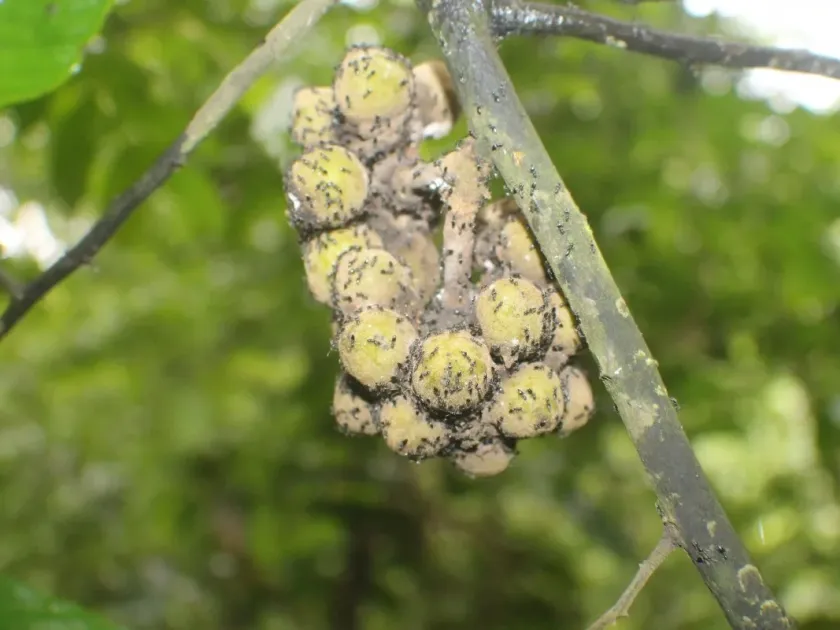
Description
Growing requirements
Monoon acuminatum is a tropical tree species belonging to the Annonaceae family. Known for its distinct pointed leaves, the plant thrives in evergreen forest ecosystems, typically occurring as a sub-canopy tree that forms part of the dense tropical vegetation structure.
The species requires a humid tropical climate to flourish, characterized by consistent warmth and abundant rainfall. It is not cold-hardy and will suffer physiological stress if exposed to temperatures dropping below 15°C, making it suitable only for specific tropical agricultural zones.
Soil requirements are relatively specific: the tree demands well-draining, nutrient-rich soils with a slightly acidic profile. Heavy clay soils that retain moisture for too long can lead to root rot, so proper landscape preparation or soil modification is necessary for healthy plantation development.
Regarding light exposure, young trees benefit from dappled sunlight or partial shade to mimic their native forest floor environment. As they mature, they become more tolerant to full sun exposure, which is beneficial for the development of their secondary metabolites and overall structural integrity.
Agrotechnical maintenance involves regular moisture monitoring and the application of organic amendments. Mulching is highly recommended to regulate soil temperature and retain moisture during any minor dry periods, ensuring consistent growth rates throughout the season.
Harvesting
The primary economic value of Monoon acuminatum lies in its timber, which is appreciated for its fine grain and mechanical strength. Harvesting for timber is typically carried out using sustainable forestry management practices to maintain local ecosystem balance and biodiversity.
Beyond timber, parts of the plant, including leaves and bark, are sometimes harvested for phytochemical investigation. Sustainable extraction methods are strictly employed to ensure the tree continues to provide ecosystem services while yielding non-timber forest products.
Fruit harvesting for seed collection is done when the fruits reach physiological maturity, indicated by the development of their characteristic color and softening texture. Given that the seeds are often recalcitrant, they require immediate processing after extraction to maintain viability.
Post-harvest management for seeds involves gentle cleaning, removal of the pulp, and immediate drying in shaded conditions. Controlled storage environments are essential for those intended for propagation, as they quickly lose their ability to germinate if stored in improper conditions.
The final sorting of harvested products ensures that only material meeting quality standards is processed. This systematic approach to harvesting and post-harvest handling supports the long-term viability of Monoon acuminatum as an agricultural and forest commodity.