
Monoon oblongifolium
Monoon oblongifolium
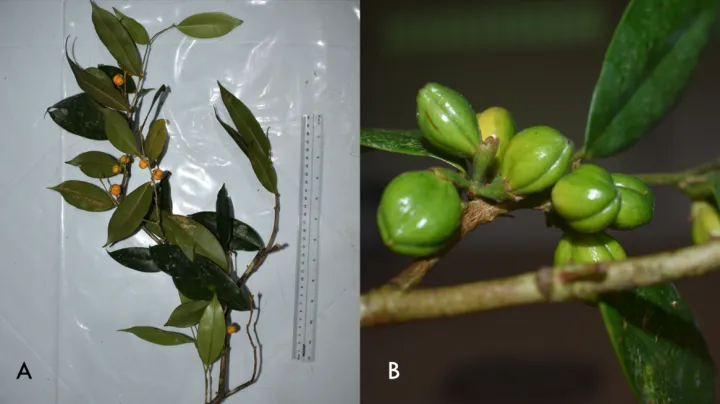
Description
Growing requirements
Monoon oblongifolium is an evergreen tree species belonging to the Annonaceae family. It is native to the tropical rainforests of Southeast Asia, where it typically develops as an understory tree in humid and stable forest environments.
The culture thrives in tropical climates where the temperature remains warm throughout the year without significant fluctuations. It requires deep, fertile, and well-drained soils, typically with a slightly acidic profile common to tropical forest floors.
Cultivation practices must account for the plant's light sensitivity during its juvenile phase. Providing partial shade during the first few years of growth is essential to ensure healthy development and to avoid stress caused by excessive direct solar radiation.
Adequate soil moisture management is a critical factor in agricultural success. While the tree loves humidity, it cannot tolerate waterlogged soils, which significantly increase the risk of root rot and other fungal diseases affecting the root system.
In agroforestry systems, Monoon oblongifolium is valued for its ability to integrate with other plant species, helping to maintain forest structure and soil stability while providing shade for shade-tolerant crops in tropical regions.
Harvesting
The economic utilization of Monoon oblongifolium focuses primarily on its timber. The wood is utilized for local construction purposes and the production of small furniture or artisanal goods, depending on the availability and maturity of the trees.
Beyond timber production, the genus is increasingly recognized in scientific research for its secondary metabolites. Scientists are studying these compounds for their potential therapeutic applications in medicine and pharmacology.
Harvesting strategies involve selecting only mature individuals, ensuring that the natural forest ecosystem remains balanced. Sustainable forestry management is required to guarantee the long-term viability of these tree populations in their native regions.
The ecological impact of the species is significant, as its fruit serves as a food source for various tropical wildlife, including birds and small mammals, contributing to the overall biodiversity of the native habitat.
Modern cultivation efforts emphasize the importance of systematic canopy management and nutrient enrichment to maximize growth rates. Proper care during the early stages of life leads to a more robust and disease-resistant tree at maturity.