
Monoon nitidum
Monoon nitidum
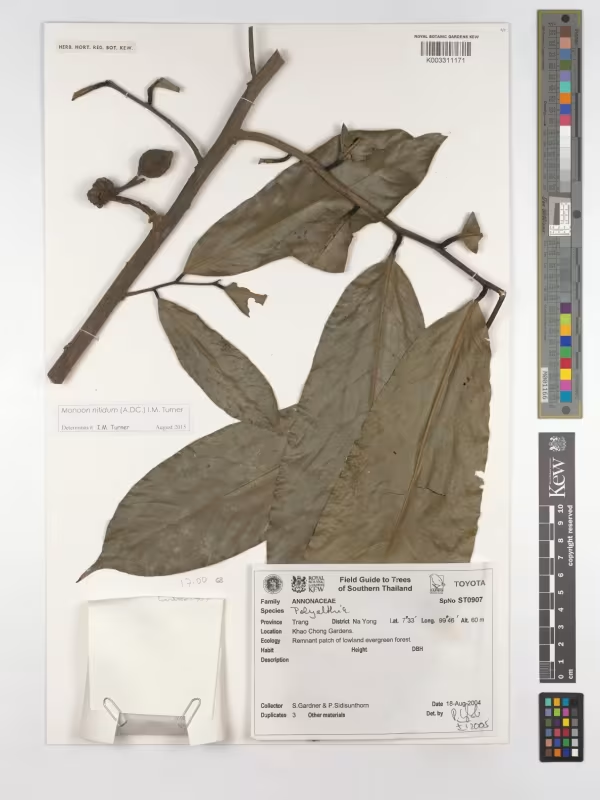
Description
Growing requirements
Monoon nitidum is a species of evergreen tree belonging to the Annonaceae family. It is native to the tropical forests of Southeast Asia, where it thrives in warm and humid ecological niches.
The climate requirements for this species include high annual temperatures and substantial precipitation. It is strictly a tropical crop, incapable of surviving in temperate zones without climate control.
Soil quality is paramount for the health of Monoon nitidum. It requires well-draining soil that is rich in organic matter to support its rapid development and maintain tree vigor throughout the year.
Botanically, the tree is recognized for its dense, glossy foliage and straight trunk structure. Proper spacing during planting is essential to ensure adequate airflow and sunlight penetration for all specimens.
In terms of economic utility, the tree is valued for its high-quality timber. It is harvested for use in artisanal woodcraft, interior design, and specialized furniture production within its native range.
Main diseases and pests
The primary threats to Monoon nitidum are pathogenic fungi, particularly those that thrive in stagnant, humid environments where air circulation is severely restricted.
Root rot represents the most significant agronomic risk, often occurring due to poor soil drainage or excessive water accumulation. Mitigation requires proactive site preparation before saplings are planted.
Insect pests such as leaf-eating caterpillars and aphids pose a recurring challenge. If left untreated, severe infestations can lead to significant defoliation and a decline in the tree's health.
Integrated Pest Management (IPM) strategies are recommended to maintain plant health. This includes regular scouting for early signs of disease and the selective use of environmentally friendly control measures.
Bark protection is equally important, as mechanical damage to the trunk provides easy access for boring insects and pathogens to penetrate the vascular system of the growing tree.