
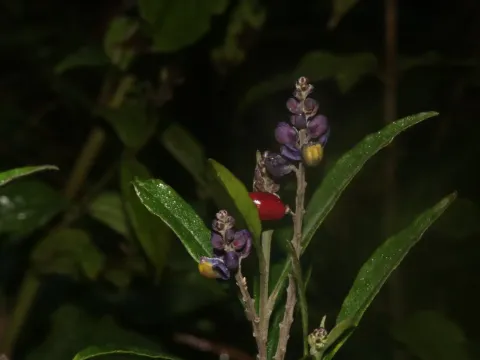
Monnina
Monnina
The sowing schedule for Monnina depends largely on the climatic zones where it is cultivated, as most species are adapted to tropical mountain environments. The optimal time for planting is at the beginning of the rainy season, when soil temperatures reach stable levels between 15 and 20 degrees Celsius.
What the section contains


Monnina
Effective seed germination often requires a period of cold stratification, especially when growing in temperate regions. Seeds should be sown at a shallow depth of approximately 1 to 2 centimeters, as they require adequate light exposure to trigger the germination process successfully.
In large-scale farming, growers use both direct seeding and transplanting methods. Using seedlings allows for better control over early growth stages and significantly improves the establishment of the crop in its permanent location by minimizing the initial stress of environmental variables.
Preparation of the growing medium is essential: it must be light, porous, and possess excellent drainage capabilities. Planting on raised beds is highly recommended to prevent waterlogging, which is a major risk factor for Monnina, as its root system is prone to damage under saturated conditions.
Maintaining consistent soil moisture without allowing a hard crust to form is vital during the early weeks. Initial emergence typically occurs within three to four weeks, provided that the soil temperature and moisture levels are kept within the optimal range for the species.
Monnina belongs to the Polygalaceae family and consists of shrubs and perennial herbaceous plants. Originating from the mountainous regions of Central and South America, these plants have evolved to thrive at high altitudes, adapting to specific light intensity and cooler, fluctuating temperatures.
The crop prefers well-drained, fertile soil with a slightly acidic to neutral pH. High organic matter content, mimicking the rich humus layer of mountain soils, is beneficial for the development of a healthy root system and promotes stronger overall growth during the vegetative phase.
Regarding light requirements, Monnina is generally photophilous, preferring sunny sites. However, young plants may require partial shade during the hottest parts of the day to avoid leaf scorch, especially when transitioning from a greenhouse or nursery environment to an open field.
Climate adaptability is a hallmark of Monnina, as it handles significant diurnal temperature shifts common in high-altitude environments. While it can withstand cooler nights, extended hard frosts can cause severe damage to the aerial parts, necessitating site selection that provides natural wind protection.
Agrotechnical management includes regular inter-row cultivation to maintain aeration and weed suppression. The use of organic mulch is recommended to regulate soil temperature and moisture, as well as to slowly provide necessary nutrients through the process of decomposition.
Major threats to Monnina include various types of root rot, which are often exacerbated by poor drainage and excessive irrigation. Pathogenic fungi, such as Fusarium species, can infiltrate the vascular system of the plant, causing wilting and significant yield reduction if not managed early.
Pests such as spider mites and aphids can become problematic, particularly during hot and dry spells. These pests feed on plant sap, leading to stunted growth, leaf deformation, and a general decline in plant vigor that makes the crop more susceptible to secondary infections.
Effective pest management relies on early detection through regular crop monitoring. Maintaining clean field margins and removing debris from previous seasons helps to eliminate overwintering sites for both insect pests and fungal pathogens, significantly reducing the pressure on the current crop.
Integrated pest management strategies, including the use of biological control agents and resistant cultivars, are preferred. When chemical interventions are necessary, choosing products with low toxicity to pollinators is crucial to maintaining the ecological balance of the surrounding area.
Ensuring plant health through proper nutrition, particularly with balanced micronutrients, strengthens the plant's natural defenses. A robust and healthy crop is naturally more resilient to the challenges posed by local pests and environmental stressors throughout the growing season.