
Monnina pterocarpa
Monnina pterocarpa
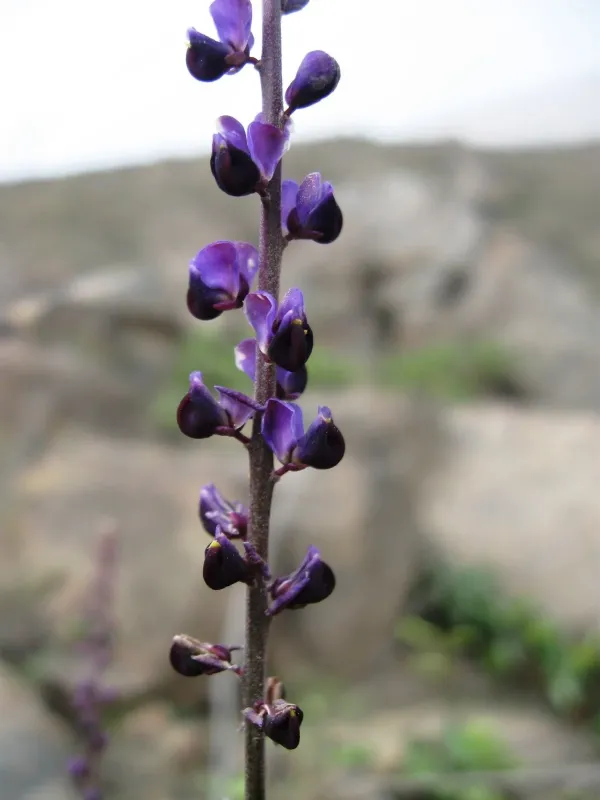
Description
Sowing dates
Monnina pterocarpa is a member of the Polygalaceae family. Successful cultivation begins with the selection of high-quality seeds, which should be planted in a well-drained, nutrient-rich substrate to ensure optimal early development.
The optimal planting time occurs in early spring once the soil temperature consistently reaches 18–20 degrees Celsius. Maintaining stable moisture during the germination phase is critical for achieving high seedling emergence rates.
Seeds are sown at a shallow depth, usually not exceeding 1.5 centimeters. Covering the seeds with a light layer of perlite helps to maintain humidity around the embryo while allowing sufficient light penetration.
Seedlings are typically transplanted after reaching a height of 10–15 centimeters. It is essential to harden the plants for at least ten days before moving them to the final growing location to reduce transplant shock.
Proper spacing is crucial for airflow and disease prevention. A distance of 60 to 80 centimeters between rows and plants is recommended to allow the plant to achieve its full potential without competition for light and nutrients.
Growing requirements
This crop thrives in loamy soils with high organic matter content and a pH range between 6.0 and 7.0. Poorly drained, heavy clay soils should be amended with organic compost or coarse sand to improve aeration.
Monnina pterocarpa requires significant amounts of sunlight to fuel photosynthesis, particularly during the flowering and fruit-setting stages. Choose locations that provide at least 6–8 hours of direct sunlight daily.
Temperature management is key to successful development. While the plant is resilient, it prefers mild, temperate conditions and should be protected from extreme heat waves or sudden late-spring frosts that may damage young tissues.
Watering schedules should be consistent, aiming to keep the soil moist but not waterlogged. Drip irrigation systems are the most efficient method for maintaining soil moisture levels while keeping foliage dry.
Balanced fertilization is beneficial, especially during the vegetative stage. A fertilizer with a moderate nitrogen content, followed by phosphorus-rich inputs during flowering, will support robust growth and fruit production.
Yield
The yield of Monnina pterocarpa is highly dependent on the plant’s health and the environmental conditions provided during the growing season. Mature plants usually reach peak production in their third year.
Harvesting is performed manually to ensure the integrity of the fruits. Selectivity is necessary, focusing only on fully ripe specimens to maintain the quality standards required for commercial distribution.
Post-harvest care includes pruning the plants to remove dead or diseased wood. This practice rejuvenates the shrub and encourages more prolific flowering and branching in the following growing season.
Yield stability can be improved through weed management. Eliminating competing vegetation reduces nutrient runoff and prevents the shading of lower branches, which could otherwise decrease overall crop productivity.
Monitoring fruit development helps in predicting the harvest window. Taking accurate records of yields over several seasons allows for the optimization of fertilization and pruning schedules.
Main diseases and pests
Root rot, often caused by excessive irrigation or poor drainage, is a significant threat to Monnina. Implementing strict irrigation management and improving soil drainage are the best defensive measures.
Pests such as aphids and spider mites can infest the plant, particularly in sheltered or poorly ventilated environments. Regular inspection and the application of organic insecticidal soaps are effective control strategies.
Powdery mildew may occur when humidity levels are consistently high. Ensuring proper air circulation and minimizing overhead watering can significantly reduce the risk of this fungal disease.
Nematodes are potential soil-borne threats that can damage the root system. Crop rotation and the use of healthy, verified planting stock are essential practices to mitigate these risks effectively.
An integrated pest management (IPM) approach is recommended. This involves monitoring population thresholds before applying treatments, which ensures sustainability and reduces the reliance on chemical inputs.