
Miconia subcrustulata
Miconia subcrustulata
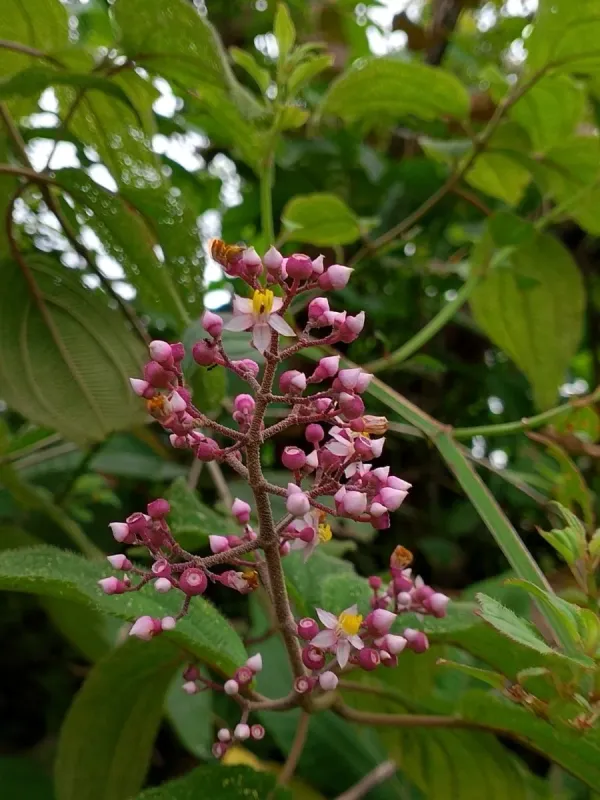
Description
Growing requirements
Miconia subcrustulata is a perennial woody plant belonging to the Melastomataceae family. Native to the tropical rainforests of South America, this species thrives in humid, shaded environments that are characteristic of tropical ecosystems.
The botanical structure of this plant features opposite leaves with prominent acrodromous venation, a defining characteristic of the family. Its growth habit varies from small shrubs to medium-sized trees, depending on the canopy density and local microclimatic conditions of its native habitat.
Cultivation requirements for Miconia subcrustulata demand high atmospheric humidity and constant warm temperatures. It requires a well-draining soil medium rich in organic matter, typically mimicking the acidic and nutrient-dense layer of leaf litter found in its natural forest setting.
Regarding agricultural management, maintaining consistent substrate moisture is critical, as the root system is sensitive to waterlogging. Protecting the plant from direct, harsh sunlight and cold drafts is essential to prevent leaf scorch and metabolic stress during the growing cycle.
The economic and research utility of this species is largely centered on scientific study and specialized botanical collections. Researchers are particularly interested in its ecological role and the chemical composition of its tissues, which contributes to the broader understanding of tropical plant diversity.