
Miconia calvescens
Miconia calvescens
Description
Growing requirements
Miconia calvescens, belonging to the Melastomataceae family, is a small to medium-sized tree native to the tropical rainforests of Mexico and South America. It is widely recognized as one of the most aggressive invasive species globally.
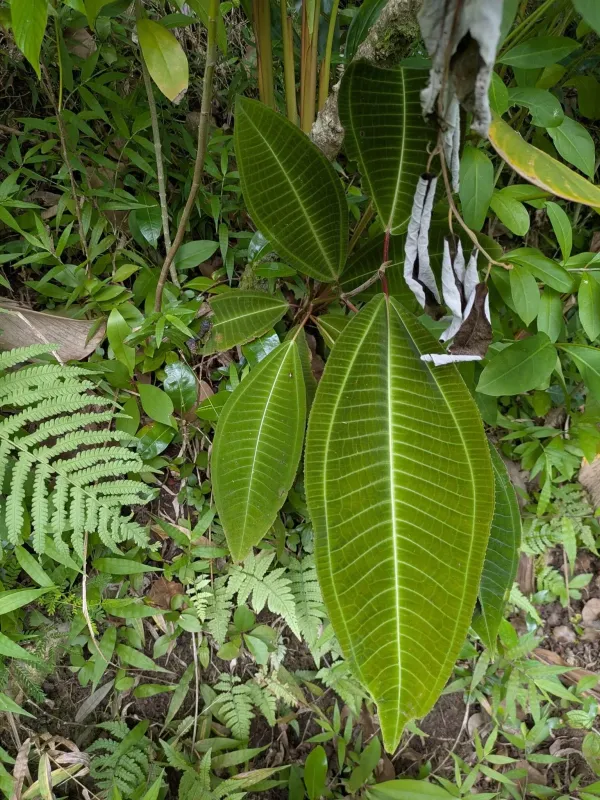
Botanically, it is characterized by large, velvety leaves that can reach up to one meter in length, displaying a striking contrast between the dark green upper surface and the deep purple underside.
The species demands a high-moisture environment with consistent tropical temperatures. It thrives in fertile, well-draining soils but possesses high phenotypic plasticity, allowing it to adapt to various disturbed landscapes.
Agronomic management is almost exclusively focused on eradication. Because the plant produces millions of small, bird-dispersed seeds, it is rarely cultivated as a commercial crop outside of highly restricted botanical collections.
Effective management requires a deep understanding of its life cycle to prevent it from outcompeting local flora, which is essential for maintaining sustainable ecosystems in tropical agricultural zones.
Main diseases and pests
The primary threat posed by this plant is its ability to create dense, monospecific stands that eliminate native vegetation and disrupt agricultural production.
There are no significant pests that limit its growth in invaded areas, which contributes to its status as a high-priority invasive weed.
Control strategies involve mechanical extraction of the entire root system to ensure that no regenerative tissue remains in the soil.
Chemical control programs often utilize targeted herbicides to manage populations in areas where manual removal is not feasible.
Strict biosecurity measures are recommended to prevent the accidental introduction of seeds through nursery stock or contaminated agricultural equipment.