
Miconia chamissonis
Miconia chamissonis
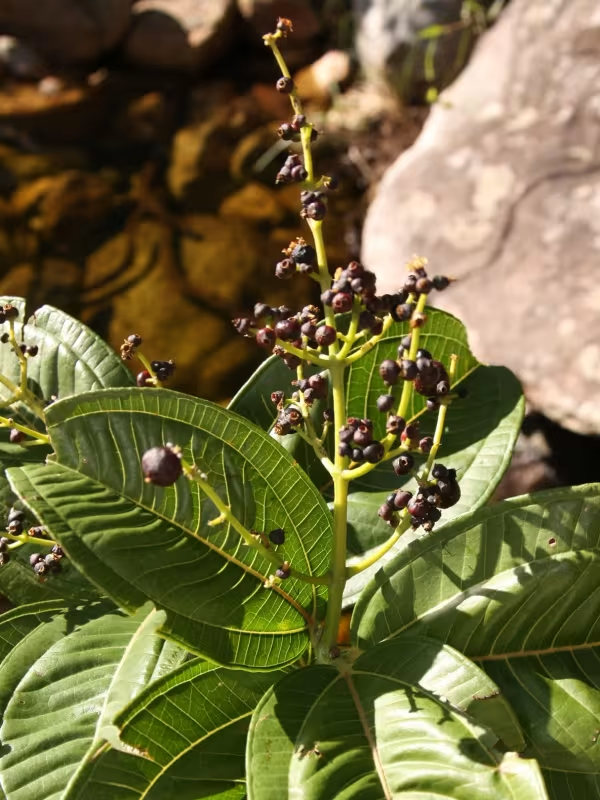
Description
Growing requirements
Miconia chamissonis belongs to the Melastomataceae family. This evergreen shrub or small tree is native to the tropical regions of South America, notably documented in Brazilian ecosystems.
The plant thrives in tropical environments, requiring consistent temperatures between 22–28°C and high atmospheric humidity to maintain healthy physiological processes and vigorous growth.
It prefers well-drained, nutrient-rich soils with high organic matter content and a slightly acidic pH, which mimics its natural habitat in the tropical forest understory.
Proper water management is critical: the root system requires constant moisture to avoid stress, but excessive water accumulation must be prevented to avoid root asphyxiation and rot.
Economically, this species is valuable for tropical land restoration projects, decorative landscaping due to its prominent foliage, and as a support species for local biodiversity.
Main diseases and pests
Fungal infections, such as powdery mildew and leaf spot diseases, are common threats when plants are kept in areas with poor airflow and excessively high moisture levels.
Root rot caused by pathogens like Phytophthora is a significant threat when soil drainage is insufficient, often leading to sudden decline in plant health and vitality.
Spider mites are the most frequent insect pests, thriving in dry indoor or sheltered environments, where they cause significant damage to the leaf structure by feeding on cell sap.
Scale insects can also colonize stems and undersides of leaves, requiring manual removal or the application of specialized horticultural oils and systemic insecticides.
Integrated pest management strategies, including regular inspections and maintaining optimal environmental conditions, are essential to minimize the reliance on chemical treatments.