
Miconia albicans
Miconia albicans
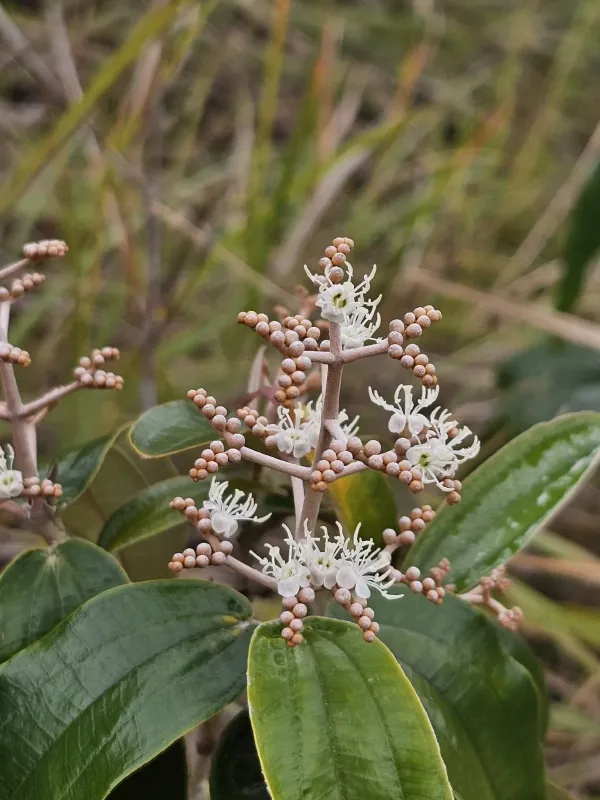
Description
Growing requirements
Miconia albicans is a notable woody shrub belonging to the Melastomataceae family. Native to the Neotropics, it is widely distributed across Central and South American landscapes, ranging from grasslands to edges of tropical forests.
Botanically, the plant is distinguished by its leathery, white-tomentose leaves on the abaxial surface, which provide protection against intense sun exposure. It typically forms dense clusters of small white flowers that are highly attractive to pollinators.
The plant thrives in regions with tropical climates characterized by distinct wet and dry seasons. It demonstrates significant resilience to nutrient-poor soils, making it an excellent candidate for ecological restoration projects in degraded areas.
In terms of agricultural and ecological requirements, Miconia albicans prefers well-draining soils with moderate acidity. It requires full sunlight to semi-shade conditions to maintain its vigorous growth and reproductive cycle.
Economically, the species serves as a vital component for local biodiversity support. Its ability to colonize challenging sites helps in soil stabilization and the subsequent recovery of secondary vegetation in tropical regions.
Main diseases and pests
The species faces pressure from various fungal pathogens, particularly in environments with poor air circulation and excessive humidity. Proper spacing during planting is essential to maintain plant health and prevent outbreaks.
Insect pests such as leaf miners and mites can occasionally target the foliage, causing localized damage. Monitoring the under-leaf surfaces is recommended for early detection and sustainable management of potential infestations.