
Miconia cinnamomifolia
Miconia cinnamomifolia
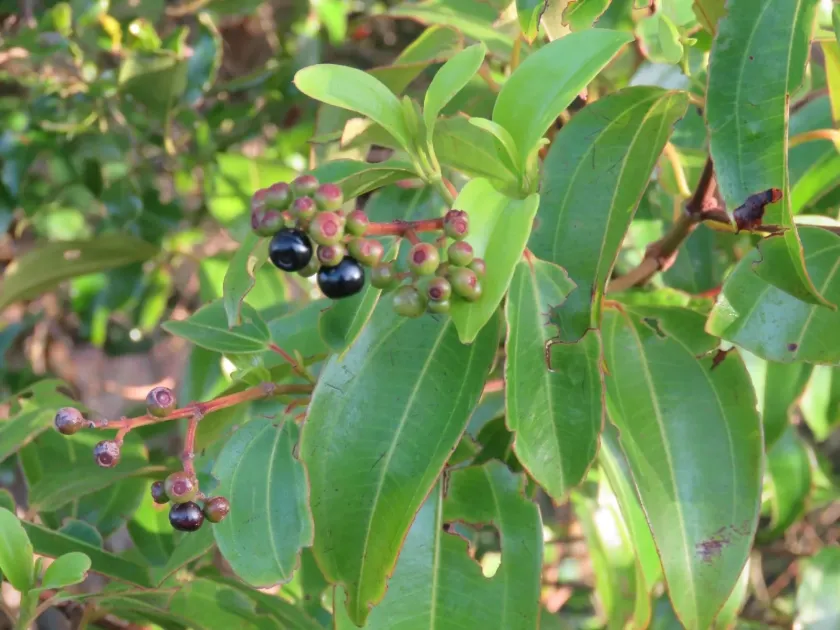
Description
Growing requirements
Miconia cinnamomifolia is an evergreen woody plant belonging to the Melastomataceae family, native to the tropical rainforests of South America. This species thrives in humid, shaded environments where it occupies the middle or understory layers of the forest ecosystem.
Botanically, the plant is recognized by its distinct leaves which display characteristic venation patterns resembling those of cinnamon species. These leaves are typically thick and leathery, an adaptation that allows the plant to thrive in high-humidity conditions without excessive water loss.
To ensure healthy growth, the plant requires nutrient-rich, well-draining soils with an acidic to neutral profile. It is highly sensitive to soil compaction and waterlogging, making proper substrate preparation essential for those cultivating it in artificial settings.
The agrotechnical approach for this species involves maintaining consistent irrigation, ensuring that the soil remains moist but not water-saturated. In controlled environments, providing a stable, warm temperature and filtered light is crucial for avoiding leaf chlorosis or physiological stress.
Economically, Miconia cinnamomifolia serves primarily as an ornamental species for specialized indoor botanical collections and as a component in tropical reforestation efforts. It adds significant value to biodiversity projects in its native range due to its role in supporting local fauna.
Main diseases and pests
The most significant pathological threat to this culture is root rot caused by Pythium and Phytophthora fungi. These pathogens are most active when the root zone is poorly aerated and stays cold for extended periods, making drainage the primary management priority.
Common pests include greenhouse insects like spider mites and scale insects. These pests often proliferate if the relative humidity drops too low or if the plant's natural defenses are weakened by improper fertilization cycles or irregular watering regimes.