
Miconia stenostachya
Miconia stenostachya
Description
Growing requirements
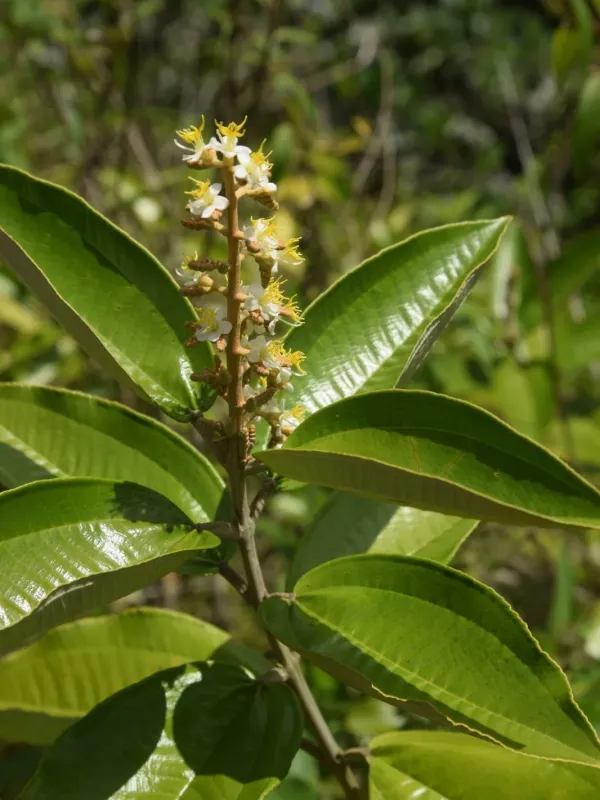
Miconia stenostachya is a shrubby plant belonging to the Melastomataceae family, widespread in the tropical forests of South America. It is recognized for its lanceolate leaves and elongated, narrow inflorescences that give the plant its specific name.
The plant thrives in tropical climates where the temperature remains consistently high throughout the year. It is highly adapted to the understory conditions of primary and secondary forests, requiring filtered sunlight and high ambient humidity to flourish.
Soil preferences include well-drained, acidic to neutral substrates rich in organic matter. Miconia stenostachya is sensitive to root saturation, which necessitates a substrate composition that ensures efficient water drainage while maintaining consistent internal moisture.
Agrotechnically, this species is often utilized in reforestation projects. Its role as a pioneer species allows it to stabilize soil, prevent erosion, and create a favorable microclimate for the succession of other native forest vegetation.
Cultivation practices involve regular monitoring of soil nutrient levels and the maintenance of adequate spacing between individuals. This ensures proper air circulation within the canopy, which is essential for minimizing the risk of fungal proliferation in dense tropical environments.
Main diseases and pests
Common threats to Miconia stenostachya include foliage-damaging fungi that thrive in high-humidity tropical conditions. Leaf spot diseases are frequently observed, particularly in young plants that lack sufficient ventilation.
Insect pests, such as aphids and leaf-chewing larvae, pose significant risks to plant vigor by damaging the meristematic tissues. Effective control often involves manual removal or the application of organic-based botanical pesticides to manage population outbreaks.
Root rot caused by pathogenic soil fungi represents a major threat, usually resulting from poor drainage or overwatering. Maintaining a proper irrigation schedule and ensuring the physical structure of the soil remains porous is vital for plant longevity.
Competition from invasive fast-growing weeds can significantly hinder the growth of Miconia saplings. Regular weeding during the initial years of establishment is a critical requirement for successful cultivation in field settings.
Abiotic stresses, including extreme temperature fluctuations and excessive solar radiation, can lead to physiological distress. In nursery production, using shade cloth can help mitigate these stressors and promote uniform plant development.