
Miconia schlimii
Miconia schlimii
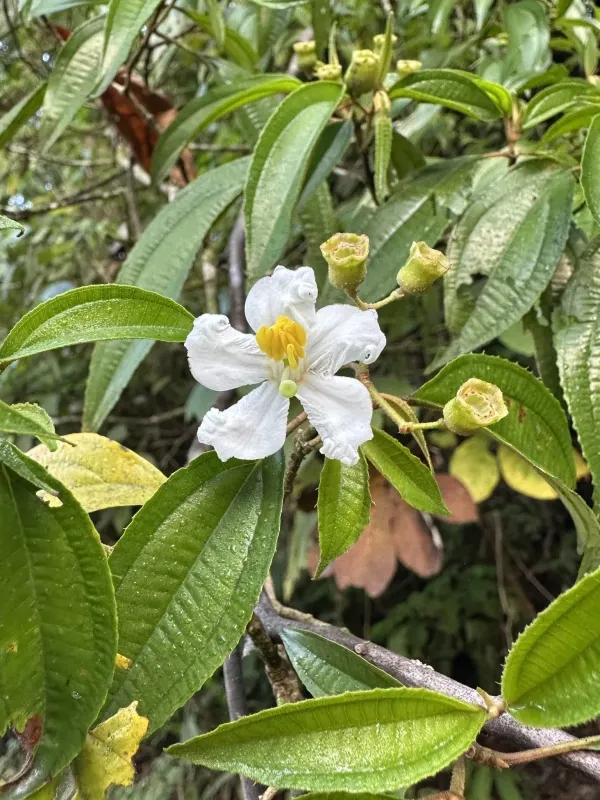
Description
Growing requirements
Miconia schlimii belongs to the large Melastomataceae family. This evergreen plant, which typically grows as a shrub or a small tree in its natural habitat, is valued primarily for its decorative foliage and distinct inflorescences.
In the wild, this species is native to the tropical forests of South America, specifically in Colombia. To develop properly, the crop requires conditions similar to mountain tropics, such as high air humidity and stable, moderately warm temperatures without sudden fluctuations.
Soil requirements for this species include the use of loose, well-drained substrates with increased acidity. The plant is extremely sensitive to waterlogging, making the quality of the drainage system in pots or fields a critical factor for root system health.
Lighting should be diffused, as direct sunlight can cause leaf burn. In agricultural conditions, particularly in greenhouses, it is important to maintain air humidity levels no lower than 70-80%, which promotes vigorous vegetative growth.
Agrotechnics include regular feeding with complex mineral fertilizers during the active growing season, while avoiding excessive calcium content. Propagation is most commonly performed via cuttings, which ensures the preservation of species characteristics and the production of high-quality planting material.
Main diseases and pests
The primary threats to Miconia schlimii in protected ground are spider mites and mealybugs, which thrive when humidity regimes are neglected. Prophylactic treatment with insecto-acaricides helps prevent massive infestations of the plantings.
Fungal diseases, such as root rot, arise due to excessive watering and poor soil aeration. To combat these pathogens, the use of systemic fungicides and strict adherence to irrigation schedules are highly recommended.