
Miconia racemosa
Miconia racemosa
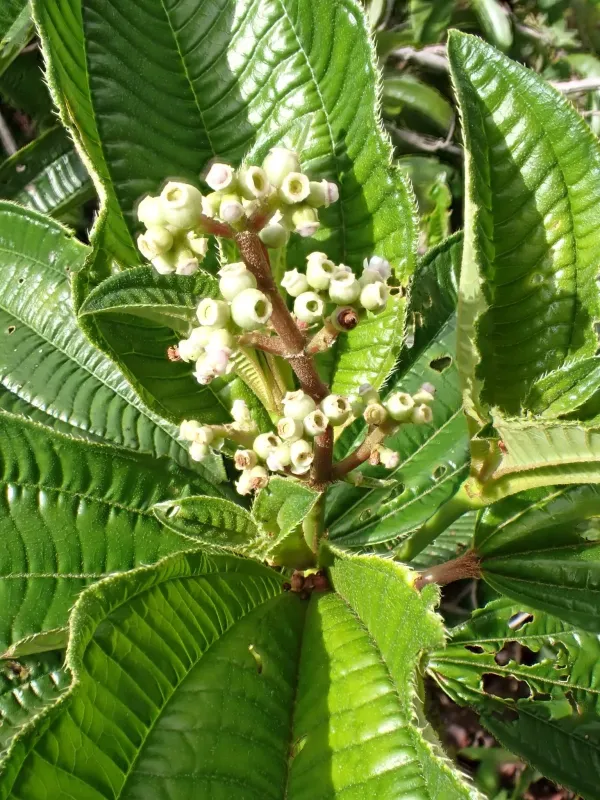
Description
Sowing dates
Miconia racemosa belongs to the Melastomataceae family and is recognized as a distinctive evergreen shrub native to the tropical regions of Central and South America.
Sowing protocols typically involve the use of peat-based substrates maintained at high humidity levels to simulate the natural forest floor conditions necessary for germination.
Successful propagation is often achieved through stem cuttings, which require controlled temperatures between 22 and 25 degrees Celsius to encourage rapid rooting.
The selection of healthy parent stock is crucial for ensuring the vigor and disease resistance of the progeny in commercial cultivation environments.
During the initial growth phase, shielding young plants from excessive environmental stress is vital for establishing a robust root system before transplantation.
Growing requirements
Miconia racemosa demands a consistent tropical climate with high atmospheric humidity levels, ideally maintained between 70 and 80 percent throughout the year.
Soil requirements include a loose, well-draining, and slightly acidic medium rich in organic matter to support the nutrient-intensive growth habits of this shrub.
The plant thrives in partial shade, as exposure to intense, direct sunlight can lead to leaf scorching and physiological distress in the foliage.
Regular irrigation is essential, provided that the growing medium remains moist but never waterlogged to ensure optimal gas exchange at the root level.
Temperature management should strictly adhere to tropical ranges, avoiding any exposure to temperatures below 15 degrees Celsius to prevent permanent growth stunting.
Main diseases and pests
Common fungal diseases associated with Miconia racemosa typically arise from poor air circulation and excessive moisture, leading to leaf spotting and crown rot.
Pest pressures are primarily caused by mites and scale insects that thrive in humid indoor or greenhouse environments, feeding on sap and hindering photosynthesis.
Nutrient deficiencies, particularly involving micronutrients like iron, can lead to interveinal chlorosis, which significantly impacts the aesthetic and biological value of the crop.
Integrated Pest Management (IPM) strategies are highly recommended to minimize the use of synthetic chemicals while effectively controlling insect outbreaks.
Routine monitoring for early symptoms, such as wilting or discoloration, remains the most effective method for maintaining the health of the cultivation unit.