
Miconia prasina
Miconia prasina
Description
Growing requirements
Miconia prasina is a significant member of the Melastomataceae family, widely distributed across the Neotropics. This woody perennial shrub or small tree is adapted to tropical ecosystems.
The plant thrives in regions with high precipitation and consistent year-round warmth. It requires fertile, well-drained soils with a slightly acidic pH level to ensure optimal root development and nutrient uptake.
In terms of light, it shows preference for partial shade during its early growth stages, while mature specimens can tolerate exposure to more intense tropical sunlight provided the moisture is adequate.
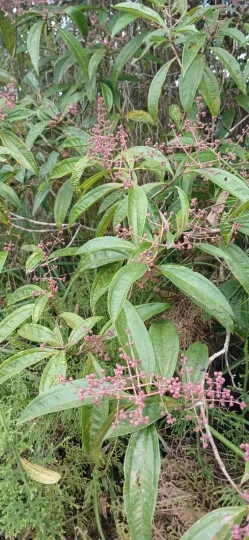
Botanically, it is identified by its opposite, leathery leaves with distinctive prominent longitudinal veins. The inflorescences are panicles that produce small, succulent berries, often consumed by local avian populations.
Economically and ecologically, Miconia prasina is recognized for its role in forest succession and its potential in reforestation projects. It contributes significantly to local biodiversity and ecosystem stability.
Main diseases and pests
Root rot caused by waterlogging is a primary concern for this species. Poor drainage leads to fungal infections which can quickly compromise the health of the root system.
Leaf-eating insects, particularly lepidopteran larvae, can cause significant defoliation during the peak rainy season, potentially reducing the overall photosynthetic capacity of the plant.
Invasive grasses and aggressive weeds often compete with young Miconia prasina, necessitating manual control to prevent growth stagnation during the establishment phase.
Extreme drought conditions can induce leaf senescence and reduce the plant's viability, emphasizing the need for supplementary irrigation in drier microclimates.
Integrated pest management strategies are recommended, focusing on maintaining soil structure, air circulation, and periodic inspection for early signs of infestations or decay.