
Miconia nervosa
Miconia nervosa
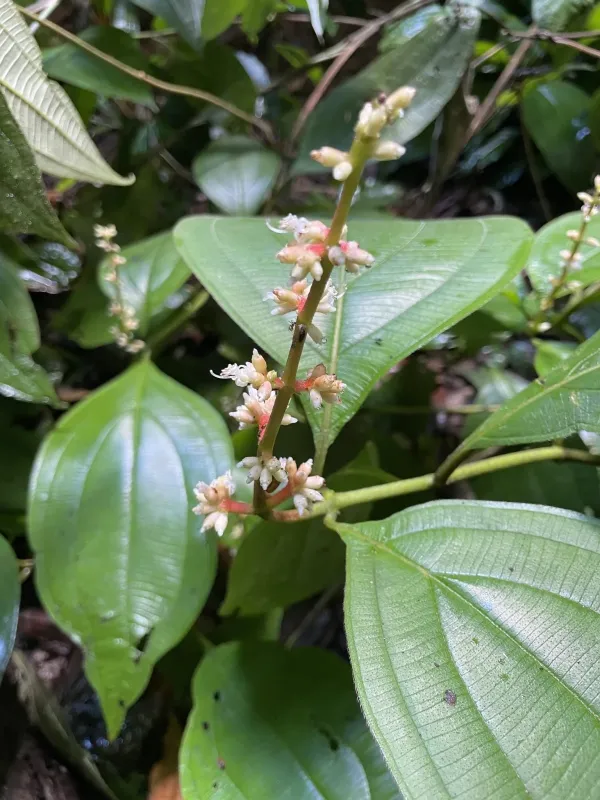
Description
Growing requirements
Miconia nervosa is a notable evergreen shrub belonging to the Melastomataceae family, native to the tropical forests of Central and South America. It is primarily recognized for its distinctive, deeply veined, large green leaves which provide high ornamental value.
Cultivation of this species requires a warm, humid environment mimicking its natural forest habitat. Temperatures should be consistently maintained between 22°C and 28°C, as the plant does not tolerate frost or cold drafts which can cause premature leaf drop.
The substrate must be well-draining, rich in organic matter, and slightly acidic. A peat-based mix with perlite or pumice is often recommended to ensure roots receive sufficient oxygen while maintaining consistent moisture levels.
The plant thrives in partial shade or filtered light conditions. Excessive exposure to direct sunlight leads to leaf scorching and loss of deep pigmentation, whereas insufficient light causes stunted growth and loss of the characteristic foliage pattern.
Watering protocols are crucial for Miconia nervosa. The plant prefers keeping the soil evenly moist but never waterlogged. Using rainwater or filtered water is advantageous as the plant can be sensitive to chemicals found in municipal tap water.
Main diseases and pests
In indoor or greenhouse environments, Miconia nervosa is susceptible to common sap-sucking insects. Spider mites are the most common issue, thriving in environments with low humidity, and can quickly damage the delicate foliage.
Mealybugs and scale insects may also infest the plant, particularly in sheltered or poorly ventilated areas. These pests feed on plant juices, weakening the overall vigor of the shrub and potentially spreading viral or fungal diseases.
Root rot, typically caused by Pythium or Phytophthora species, is the primary disease threat. This usually occurs due to poor drainage or overwatering, leading to the rapid decay of the root system and eventual plant death.
Preventive maintenance involves regular misting of the leaves to maintain humidity and inspecting the underside of leaves for early signs of infestation. Neem oil or mild insecticidal soaps are effective organic treatments for small pest colonies.
Providing adequate air circulation around the canopy helps minimize the risk of fungal infections. Should any disease symptoms appear, pruning the affected parts and adjusting the watering frequency is essential for successful plant recovery.