
Mariosousa
Mariosousa
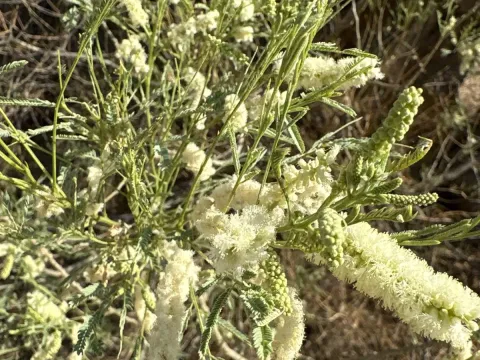
The genus Mariosousa consists of perennial shrubs and trees belonging to the family Fabaceae. Historically, these plants were classified as members of the genus Acacia before being reclassified into their own distinct genus based on phylogenetic studies.
What the section contains

Mariosousa
The native distribution of these plants covers arid and semi-arid regions in North America, with a high concentration of species found in Mexico. They are perfectly evolved to thrive in high-temperature environments with irregular rainfall patterns.
Morphologically, Mariosousa species are characterized by their xerophytic adaptations, including specialized foliage and robust root structures. This allows them to survive in harsh, drought-prone environments where water availability is extremely limited.
The primary soil requirement for Mariosousa is excellent drainage. They are intolerant of waterlogged conditions and thrive best in sandy, gravelly, or rocky soils that prevent the accumulation of stagnant water around the root zone.
In addition to their ecological role, they are utilized in xeriscaping and reclamation projects. Their ability to survive with minimal irrigation while providing soil stability and nitrogen-fixing benefits makes them valuable for environmental restoration.
The main health risks for Mariosousa plants involve fungal pathogens that typically emerge under conditions of excessive humidity or poor soil drainage. Root rot is the most common issue in poorly managed cultivation sites.
Pest pressures often include boring beetles and seed-feeding insects that target the legumes during the reproductive stage. These infestations can significantly reduce the viability of seeds if not controlled.
Environmental stress, particularly sudden cold snaps or unexpected frost, can damage young shoots and weaken the plant's overall resistance to secondary diseases, making proper site selection essential.
To maintain plant health, it is recommended to conduct regular thinning to ensure airflow through the canopy. Reducing humidity around the base of the plant is the most effective preventative measure against fungal outbreaks.
Integrated pest management strategies focusing on early detection and physical removal of infested plant parts are more effective than reliance on heavy chemical applications, which may disturb the plant's natural symbiotic associations.