
Madagascar rosewood
Dalbergia madagascariensis
Description
Growing requirements
Madagascar rosewood (Dalbergia madagascariensis) is a prominent species within the Fabaceae family, native to the lush tropical forests of Madagascar. It is a slow-growing evergreen tree known for its significant ecological and commercial value.
The species thrives in warm, humid tropical climates where annual temperatures remain consistently high. It prefers deep, nutrient-rich soils with excellent drainage, as the root system requires consistent moisture but is highly susceptible to waterlogging.
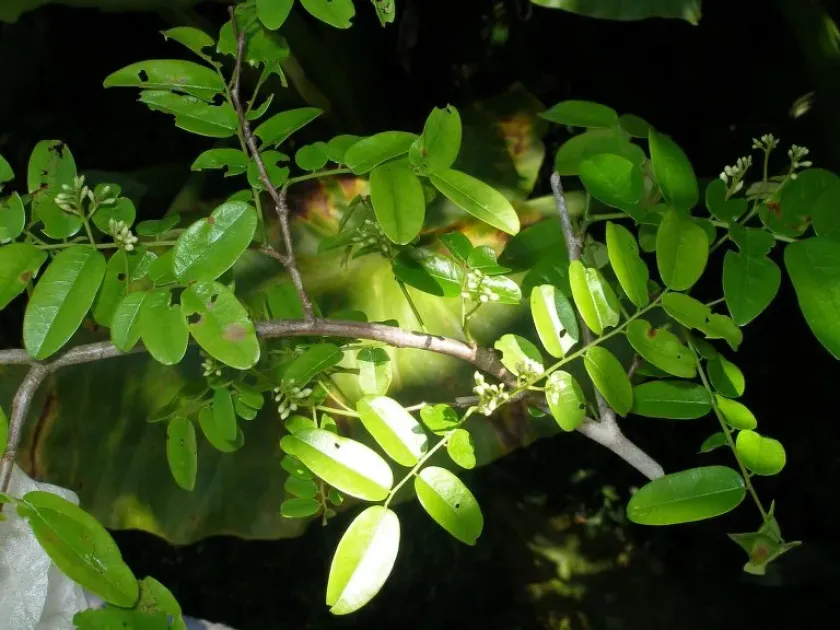
Botanically, the tree features pinnate leaves and specialized flowers typical of the Dalbergia genus. Its growth habit is typically upright, and it competes effectively for sunlight within the dense canopy of its native range.
Cultivation requires careful management of light exposure and soil fertility. In plantation settings, soil pH and mineral composition must be monitored to ensure the healthy development of the tree’s dense, high-quality timber.
The primary economic use is the harvesting of its dense, aesthetically pleasing wood, often referred to as rosewood. It is highly sought after for luxury furniture, premium cabinetry, and the manufacture of high-end acoustic musical instruments.
Main diseases and pests
The most significant threat to Dalbergia madagascariensis is over-exploitation due to the global demand for luxury timber. Illegal logging has drastically reduced the number of mature individuals in their wild habitat.
Fungal pathogens pose a constant risk to the plant, especially in areas with poor airflow or stagnant water. These diseases can lead to root decay and significant loss of plantation stock if not managed with proper spacing.
Wood-boring insects represent a major threat to both standing timber and harvested logs. These pests degrade the wood's structural integrity, making it unsuitable for high-value craftsmanship.
Environmental degradation, including deforestation and soil erosion, significantly hinders the natural regeneration of the species. Fragmentation of forest habitats prevents natural seed dispersal and reduces the availability of suitable growing sites.
Conservation strategies are essential to manage existing populations and ensure the sustainability of the timber supply. Future efforts should focus on reforestation programs and the implementation of strict harvesting regulations.