
Madeira broom
Genista maderensis
Description
Growing requirements
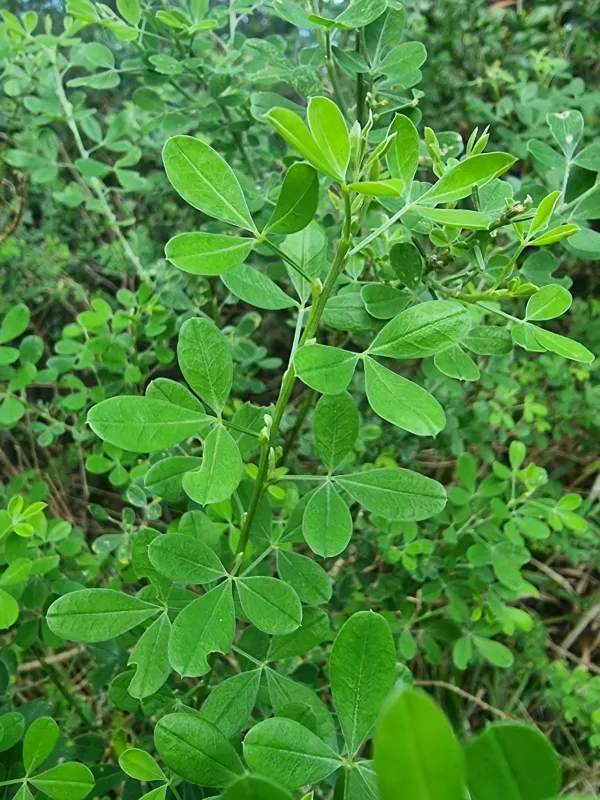
Madeira broom (Genista maderensis) is an evergreen ornamental shrub belonging to the Fabaceae family. Native to the island of Madeira, this plant is well-adapted to subtropical environments and is valued for its dense, vibrant yellow floral displays during the blooming season.
The cultivation of this species requires high sun exposure to thrive, as it naturally originates from open, sun-drenched landscapes. Selecting a site with full southern exposure is critical for maximizing both plant vigor and flower production throughout the year.
Regarding soil, Genista maderensis performs best in well-drained, sandy, or gravelly media. It is highly sensitive to waterlogged conditions, which can lead to rapid fungal decay; therefore, excellent drainage is the most important factor in site preparation.
Climate adaptability is limited, as the plant is not frost-tolerant. In cooler climates, it must be grown in containers, allowing for transport into glasshouses or greenhouses during the winter months to avoid damage from sub-zero temperatures.
Maintenance includes regular pruning immediately after the flowering period to maintain a compact and healthy framework. Light fertilization with a low-phosphorus mix can be beneficial, as many legumes are sensitive to excessive nutrient inputs in the soil.
Main diseases and pests
Root rot, often caused by Pythium or Phytophthora species, is the most common threat. It is exacerbated by poor drainage and excessive moisture, often leading to total plant collapse if not addressed early with fungicide treatments.
Aphids are frequent pests that colonize young, succulent shoots during the spring growth flush. Their feeding can cause foliage distortion and facilitate the spread of viral pathogens, necessitating early intervention with neem oil or soap-based sprays.
Spider mites often attack the plant during periods of hot, dry weather, leading to yellowing of the leaves and premature defoliation. Consistent humidity management is the primary cultural control method to suppress their population growth.
Powdery mildew can infect leaves and stems when air circulation is poor, particularly in crowded greenhouse conditions. Ensuring sufficient spacing between specimens and improving ventilation are effective strategies to prevent fungal outbreaks.
Scale insects present a more discreet challenge, hiding on the woody stems and branches. These pests can weaken the plant over time by draining sap and creating honeydew, which attracts secondary infections such as sooty mold.