
Maryland senna
Senna marilandica
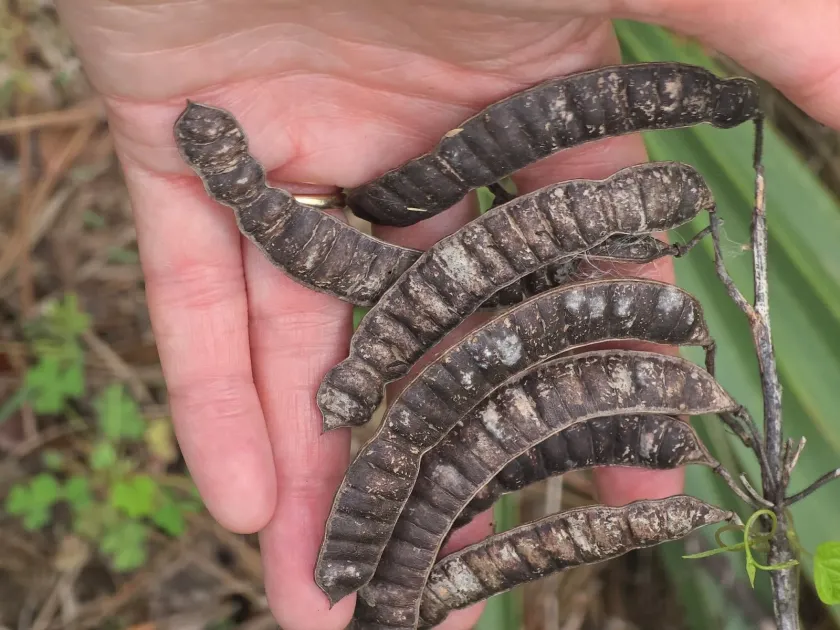
Description
Sowing dates
Maryland senna is typically sown in the spring when soil temperatures reach stable levels sufficient for seed germination.
The ideal planting window is usually from late April to mid-May, depending on the local climatic zone and last frost dates.
Scarification of seeds is highly recommended prior to planting to overcome dormancy and improve the overall germination rate significantly.
Seeds are sown at a depth of approximately 2-3 centimeters in well-prepared, loose soil to facilitate proper root establishment.
Row spacing should be maintained at 50-70 centimeters to ensure adequate air circulation and to prevent overcrowding of the mature plants.
Growing requirements
As a member of the Fabaceae family, Maryland senna thrives in full sunlight, which is essential for optimal growth and biomass production.
The plant is adaptable to various soil types, though it performs best in fertile, well-drained loamy soils with a neutral or slightly acidic pH level.
While known for its drought tolerance, the crop requires consistent irrigation during the initial stages of its life cycle to develop deep roots.
It is crucial to avoid waterlogged conditions, as the root system is susceptible to decay if the soil remains constantly saturated for long periods.
Application of balanced fertilizers rich in phosphorus and potassium promotes vigorous growth and enhances the plant's natural resilience against stress.
Main diseases and pests
Root rot caused by fungal pathogens is the primary threat to the crop, especially in fields with poor soil drainage and excessive moisture.
Powdery mildew can affect the foliage during humid seasons, necessitating preventive fungicide applications and careful density management.
Insect pests such as aphids and leaf-eating beetles may occasionally cause damage, requiring targeted monitoring and integrated pest management strategies.
Implementing a proper crop rotation plan is essential to minimize the buildup of soil-borne diseases that can impact the longevity of the perennial stands.
Early identification of pest outbreaks allows for the use of organic-friendly treatments, helping to maintain the ecological balance of the plantation.
Harvesting
Harvesting should occur during the full blooming stage when the phytochemical content in the foliage is at its maximum therapeutic level.
The aerial parts are harvested using mechanical mowers at a specific height to ensure the plant can regenerate for future seasons if managed as a perennial.
Post-harvest processing involves rapid drying in shaded, airy environments to prevent mold growth and preserve the chemical integrity of the harvested material.
The dried plant material is then processed into the final form, ensuring all contaminants are removed through mechanical cleaning processes.
Proper storage is mandatory, involving moisture-controlled conditions to keep the crop stable until it reaches the manufacturing or processing facility.