
Maireana microphylla
Maireana microphylla
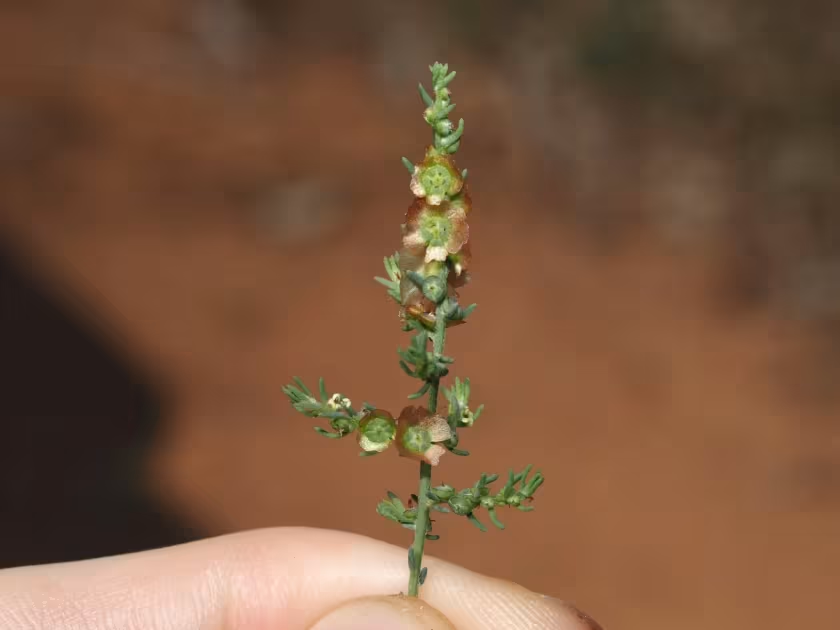
Description
Sowing dates
Sowing of Maireana microphylla in natural conditions typically occurs following significant rainfall events when the upper soil layer retains sufficient moisture for germination. In agricultural settings, seeds are sown into prepared seedbeds with minimal soil disturbance to preserve the existing soil structure.
Optimal sowing times fall during the cooler months of the year, allowing the seedlings to establish a strong root system before the onset of extreme summer heat. Seed burial depth should be minimal, as the small seeds require close contact with the soil and partial light exposure for successful emergence.
To ensure high germination rates, specialists recommend scarification or the use of fresh seed material, which possesses maximum germination energy. It is crucial to avoid over-irrigation of seedlings, as excessive moisture often leads to fungal decay during the early developmental stages.
Once seedlings have successfully emerged, they require a period of rest to facilitate healthy root system development. Agronomists advise planting in rows with wide spacing to ensure adequate nutrient access and to simplify field maintenance during the early vegetative stages.
The use of modern precision seeders enables uniform seed distribution across the field. When adhering to established agronomic standards, the crop demonstrates exceptional survivability even under conditions of limited natural precipitation.
Growing requirements
Maireana microphylla is a perennial subshrub belonging to the Amaranthaceae family, highly adapted to the harsh environments of semi-arid regions and saline soils. This plant possesses a unique halophytic nature, enabling it to thrive in landscapes where other species fail due to high salt concentrations.
The crop prefers well-drained sandy or loamy soils with neutral to slightly alkaline pH levels. Its superior salt tolerance makes this species a valuable candidate for the reclamation of degraded lands and the mitigation of soil erosion in arid zones.
The plant is highly demanding regarding light exposure and does not tolerate shading by taller species. Optimal temperature ranges for active growth fall between 20 and 30 degrees Celsius, with mature specimens capable of withstanding brief frost events.
A key developmental factor is the availability of moisture within the soil profile during the initial growth phases. Subsequently, the plant's robust root system allows it to efficiently utilize deep groundwater reserves, ensuring survival during prolonged periods of drought.
In its native range, the plant is found in the arid regions of Australia, which defines its resilience to high solar radiation and low rainfall levels. Agricultural management strategies should focus on minimizing interference with the natural nutrient cycle within the soil.
Yield
The biomass yield of Maireana microphylla is directly dependent on total precipitation levels and soil fertility. Under conditions of controlled grazing or managed harvesting, the crop is capable of providing a stable increase in green mass suitable for livestock consumption.
The nutritional value of the plant is based on its protein and mineral content, which remains stable even when other forage grasses are scarce. However, excessive grazing pressure can lead to productivity declines, necessitating strict adherence to pasture rotation schedules.
In seed production cycles, yields vary significantly based on weather conditions during flowering and maturation. The harvest of seed material is usually carried out mechanically after the fruits have fully dried on the parent plant.
The economic impact of cultivating this crop manifests not only in biomass volume but also in its ability to provide feed during periods when conventional crop deficits reach critical levels. This makes it an indispensable component of livestock diets in arid areas.
To improve marketable product output, the application of minimal micronutrient doses is recommended if soil analysis reveals specific deficiencies. Regular assessment of crop conditions allows for the adjustment of harvest timing to maximize nutritional quality.
Main diseases and pests
Major threats to the crop include various fungal diseases that target the root system under conditions of excessive moisture. Waterlogging is the primary factor promoting rot and the premature mortality of the shrub stands.
Pests, such as various phytophagous insects, can cause damage to young shoots, significantly slowing growth during critical development phases. Monitoring pest populations early allows for timely protective interventions to secure the plantations.
Competition from weeds poses a serious obstacle, especially during the first years of the crop's life. Aggressive weeds can outcompete young seedlings, making timely weeding or suppression strategies essential for successful cultivation.
Large herbivores, if allowed to graze uncontrollably, can destroy young plantations, making fencing a mandatory safety measure. Overgrazing remains one of the primary drivers of the degradation of natural populations of this plant.
Climatic stressors, such as extremely strong winds causing wind erosion, can lead to mechanical damage of the stems and shoots. Establishing windbreaks helps reduce the negative impact of environmental stressors on crop productivity.
Harvesting
Harvesting of the above-ground biomass for forage purposes is performed via mowing, while it is vital to maintain sufficient stubble height to ensure plant regeneration. The optimal harvest window occurs when the foliage reaches its peak nutritional content.
For seed production purposes, harvesting is carried out by cutting the inflorescences at full maturity, when seeds harden and achieve their characteristic coloration. Manual harvesting on smaller plots ensures a higher quality of seed stock.
Following harvest, the plant material must be dried in the shade to prevent mold development and the loss of nutritional qualities. Proper drying techniques ensure the preservation of protein and vitamin complexes, which are essential for the health of livestock.
Transporting the harvested material should be done carefully to prevent seed shattering and stem damage. Storage of seeds is conducted in dry, well-ventilated facilities to maintain high germination rates for several years.
Adherence to harvest guidelines not only ensures high-quality production but also promotes the longevity of the plantation. A well-planned harvest strategy guarantees renewed growth in the following season without the need for reseeding.