
Maesa tenera
Maesa tenera
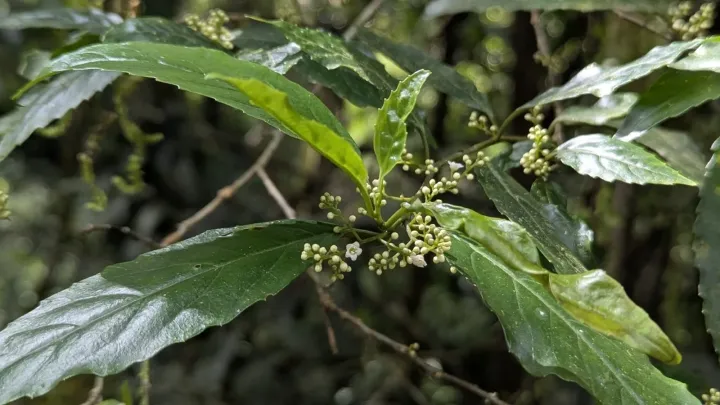
Description
Growing requirements
Maesa tenera is a species of flowering plant belonging to the Primulaceae family. It typically grows as a dense, evergreen shrub or small tree in its native tropical and subtropical ecosystems.
The plant thrives in regions characterized by high atmospheric humidity and constant temperatures. It is naturally adapted to the understory of forests, meaning it prefers filtered light conditions rather than intense direct sun.
Regarding soil requirements, Maesa tenera demands well-drained, nutrient-rich substrates. Poorly drained soils can easily lead to root rot, which is a common limiting factor in the cultivation of this species.
Agrotechnical management involves regular moisture control and protection from cold winds. The plant does not tolerate frost, making it suitable mainly for tropical zones or controlled greenhouse environments.
In terms of хозяйственное (economic) utility, the plant is primarily appreciated for its role in maintaining biodiversity and its aesthetic value, contributing to the development of specialized forest gardens.
Main diseases and pests
Common pests affecting Maesa tenera include scale insects and spider mites, which thrive in warm environments. Regular monitoring is essential to prevent infestations that can compromise the plant's structural integrity.
Fungal pathogens such as powdery mildew or leaf spot diseases may appear if there is inadequate air circulation. Maintaining proper spacing and removing dead or diseased plant parts is vital for disease control.