
Maesa perlarius
Maesa perlarius
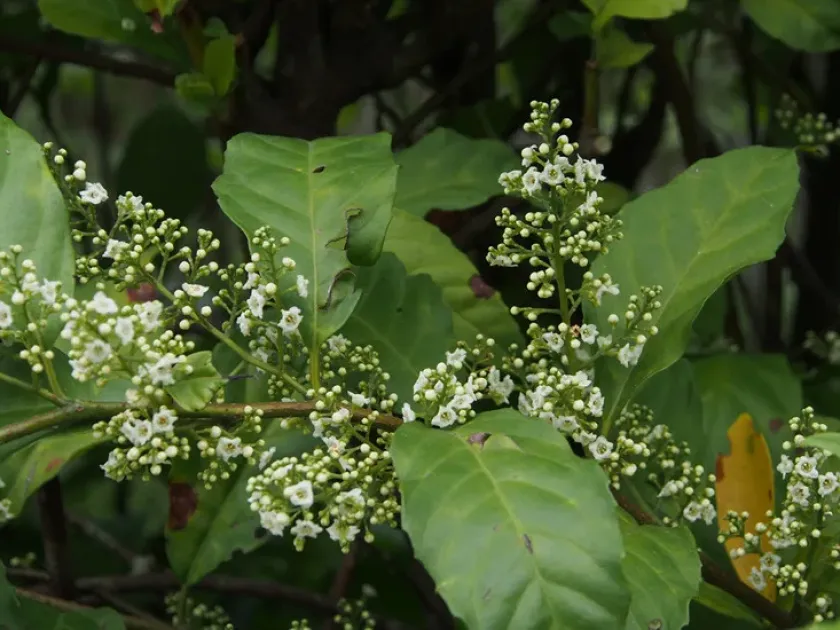
Description
Growing requirements
Maesa perlarius is a perennial evergreen shrub belonging to the Primulaceae family. It is native to the warm, tropical regions of East and Southeast Asia, where it thrives in the understory of dense forests.
The plant requires well-draining, nutrient-rich soil to develop a healthy root system. It prefers slightly acidic to neutral soil conditions, mimicking the natural humus-rich floor of its native tropical environment.
For successful cultivation, provide bright but filtered light. Direct tropical sun can lead to leaf scorching, so placing the shrub in partial shade is ideal for maintaining the vibrant color and texture of the foliage.
Climate requirements involve consistently warm temperatures and high relative humidity. It is sensitive to frost and cold drafts, meaning that in temperate climates, it must be kept in greenhouses or climate-controlled environments.
Irrigation should be consistent to keep the soil moist but not waterlogged. Using a layer of organic mulch can help retain moisture in the soil while providing gradual nutrient release as it breaks down.
Main diseases and pests
Spider mites are the most common pests found on Maesa perlarius, especially in low-humidity environments. Regular misting and proper plant spacing are effective cultural practices to deter these infestations.
Root rot is a major threat caused by poor drainage and excessive watering. Once the roots are affected, the plant often struggles to recover, making prevention through soil monitoring a critical step.
Scale insects can attach to the stems, feeding on plant sap and potentially causing stunted growth. Early detection and manual removal or the application of horticultural oils can keep populations under control.
Fungal leaf spot can develop when foliage remains damp for prolonged periods in poorly ventilated conditions. Ensuring adequate airflow around the plant canopy significantly reduces the risk of fungal spread.
Maintaining the overall health of the shrub through balanced fertilization helps it build natural resistance to common pathogens. Providing a stable environment remains the best defense against major threats.