
Maesa lanceolata
Maesa lanceolata
Description
Growing requirements
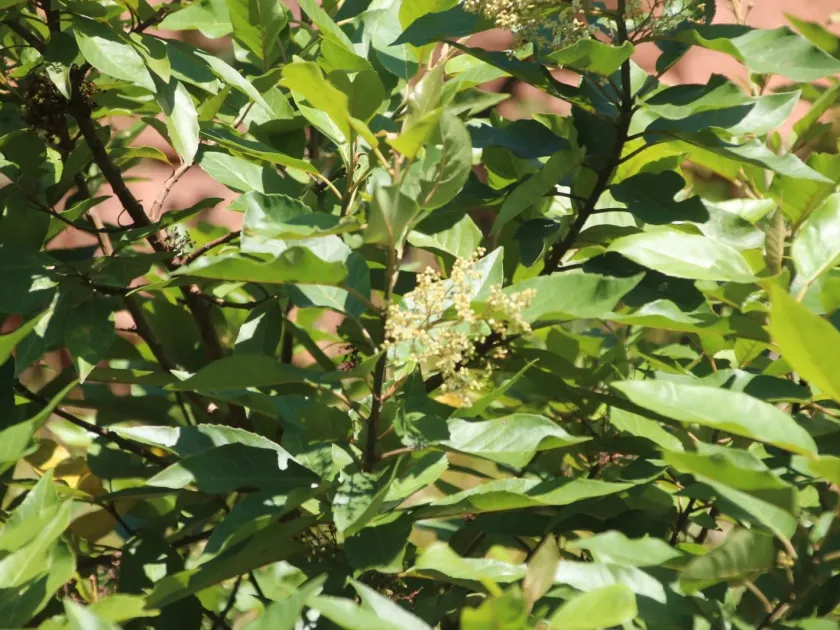
Maesa lanceolata is a robust evergreen shrub or small tree belonging to the Primulaceae family. It is widely distributed across tropical Africa, where it thrives in varied habitats ranging from deep forests to open wooded grasslands and mountain slopes.
In agricultural settings, the plant requires moist, well-draining, and nutrient-rich soil to reach its full growth potential. It is highly valued in agroforestry systems for its ability to enhance soil structure and prevent erosion through its extensive, deep-reaching root system.
Climatically, it performs best in regions with consistent rainfall and temperatures that do not drop below freezing. While the species shows some tolerance for different light conditions, it generally prefers partial shade, particularly during the early stages of development.
The propagation of this species is typically managed via seeds, which should be sown in a nursery environment to ensure high germination rates before transplantation into permanent fields.
Besides its ecological role, Maesa lanceolata is economically significant due to the medicinal properties of its leaves, bark, and berries, which contain compounds known for their anti-parasitic and anti-inflammatory effects in traditional medicine.
Main diseases and pests
The primary concern for growers is the prevalence of soil-borne pathogens, particularly root rot, which typically affects plants in waterlogged soil. Proper land drainage is the most effective preventative measure against such diseases.
Leaf-eating insects, including various lepidopteran larvae, pose a persistent threat to foliage quality. Regular scouting of the canopy is recommended to identify infestation hotspots before they reach economic threshold levels.
Fungal leaf spot diseases can emerge in high-humidity climates with poor air circulation. Pruning dense branches not only improves the harvest of medicinal leaves but also reduces the moisture trapped within the foliage.
Competing weeds can significantly stunt the growth of young Maesa saplings. It is essential to maintain a weed-free zone around the base of the plant using organic mulch, which also helps in moisture retention.
Given its medicinal value, using organic fertilizers and natural pest control methods is prioritized to maintain the chemical purity of the harvest, avoiding the accumulation of synthetic residues.