
Maesa indica
Maesa indica
Description
Growing requirements
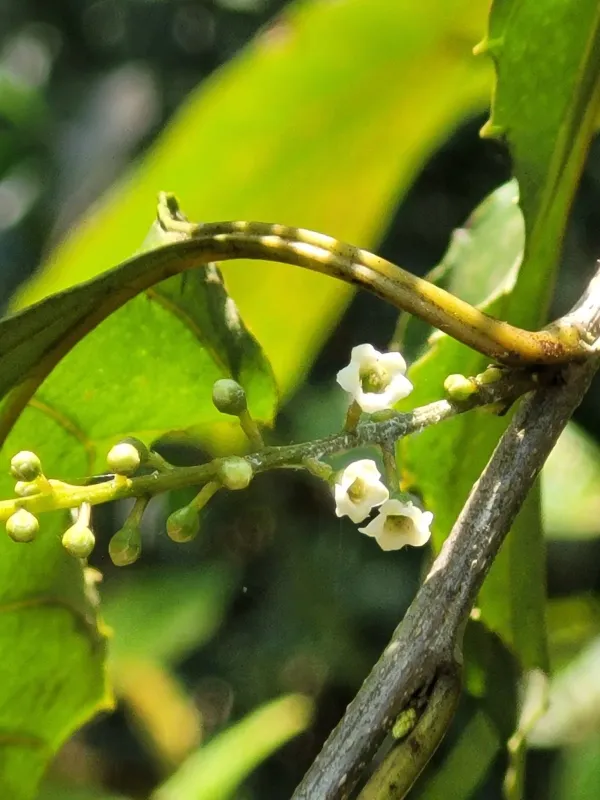
Maesa indica is a perennial evergreen shrub or small tree belonging to the Primulaceae family. It is characterized by its serrated leaves and clusters of small, fragrant white flowers, which are typical for its genus within tropical ecosystems.
Originating from the tropical regions of Asia, including India and surrounding mountainous areas, this plant is naturally adapted to forest edges and moist slopes. It thrives in environments that provide protection from harsh environmental elements.
When cultivating Maesa indica, it is essential to provide well-drained, nutrient-rich soil that mimics its natural forest floor habitat. Consistent soil moisture is required, but drainage must be sufficient to prevent the roots from rotting.
Temperature requirements are strictly tropical or subtropical; the plant cannot tolerate freezing conditions. It performs best in partial shade, as intense sunlight can scorch the foliage and negatively impact the plant's overall vigor.
In addition to its ornamental value, Maesa indica is traditionally utilized in folk medicine for its various therapeutic properties. Its leaves and roots are often processed for their secondary metabolites which have documented medicinal potential.
Main diseases and pests
Fungal leaf spot diseases are among the most common threats to Maesa indica, especially in humid and poorly ventilated growing environments.
Common horticultural pests such as scale insects and mealybugs can attach to the stems and leaves, extracting nutrients and causing significant stunted growth.
Root rot, often caused by Phytophthora or Pythium species, poses a lethal threat if the soil medium remains waterlogged for extended periods.
Proactive management includes regular canopy thinning to improve airflow and the application of balanced organic fertilizers to strengthen the plant's natural defenses.
Integrated pest management, including the use of neem oil and natural predators, is recommended to keep the shrub healthy and productive in both landscape and nursery settings.