
Maesa chisia
Maesa chisia
Description
Growing requirements
Maesa chisia is a perennial evergreen shrub or small tree belonging to the Primulaceae family. It is widely recognized for its role in the biodiversity of mountain ecosystems, particularly within the Himalayan range and parts of Southeast Asia.
The plant thrives in subtropical climates that offer consistent moisture and high humidity levels. It typically occupies the understory layer of forests, where it benefits from natural shade and rich, nutrient-dense soil conditions.
Optimal growth requires well-draining soil that is rich in organic matter. While the species is highly adaptable, it struggles in waterlogged environments or areas subjected to extreme frost, which can severely damage its foliage and overall development.
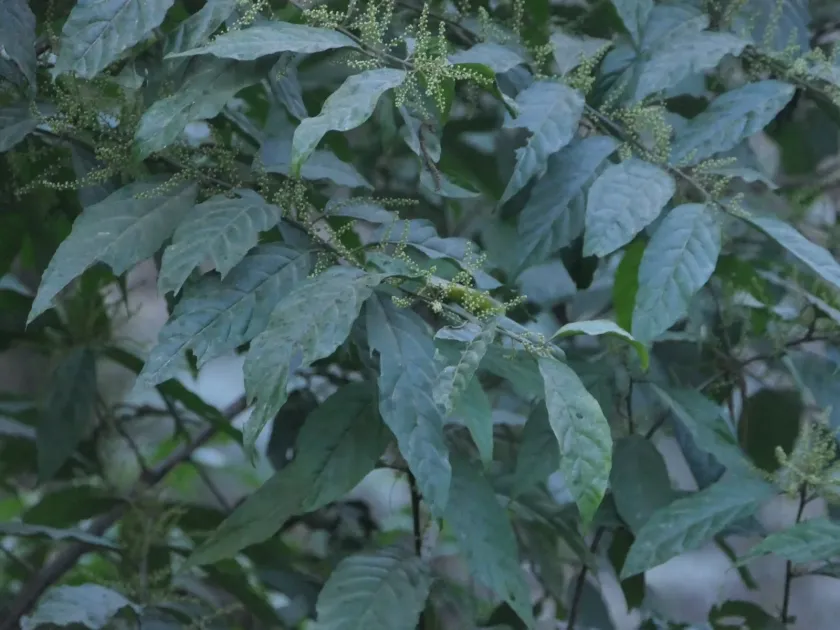
Botanically, Maesa chisia features alternate, leathery leaves with serrated margins and dense panicles of small, white flowers. These structures are specifically adapted to the environment, allowing for efficient gas exchange and reproductive success in dense forest habitats.
In terms of agricultural and traditional usage, the plant is primarily harvested for its therapeutic compounds. It has long been utilized in traditional medicine for its antibacterial, anti-inflammatory, and anthelmintic properties, making it a valuable resource for local pharmacopeias.
Main diseases and pests
The primary threats to the cultivation of Maesa chisia include fungal diseases such as leaf spots and powdery mildew, which are prevalent in high-humidity environments. Maintaining proper air circulation is essential to prevent these fungal outbreaks.
In terms of pests, the plant is susceptible to sap-sucking insects like aphids and mealybugs, which can significantly stunt growth. Integrated pest management strategies are advised to maintain plant health without resorting to harsh chemical treatments.