
Maesa ramentacea
Maesa ramentacea
Description
Growing requirements
Maesa ramentacea is a perennial evergreen shrub or small tree belonging to the Primulaceae family. It is native to the tropical landscapes of Southeast Asia, where it thrives in the understory of moist forests, benefiting from the specific biodiversity and climate of regions like Thailand, Vietnam, and Malaysia.
The cultivation of this plant requires a humid tropical environment with consistent temperature levels throughout the year. It performs best in well-drained, nutrient-dense soils. High organic content in the soil is crucial for the vigorous development of its root system and overall canopy density, which can reach several meters in height.
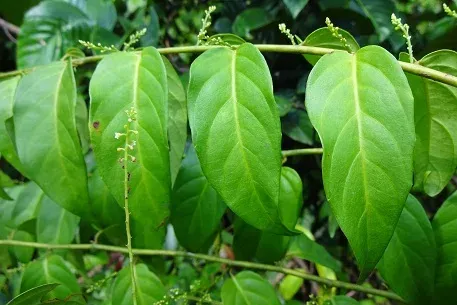
Botanically, the plant is characterized by alternate, leathery leaves and small, dense racemes of creamy-white flowers. These blooms are followed by small, globular, fleshy fruits. The structure of the plant makes it well-adapted to surviving under canopy shade while maintaining high metabolic activity due to the stable tropical precipitation patterns.
In terms of economic and practical utility, Maesa ramentacea is highly valued in local ethnobotanical traditions. Its leaves and roots are often processed into topical treatments and decoctions, which are utilized for their documented anti-inflammatory and antiseptic effects in traditional medical systems.
A successful agricultural strategy for this species involves mimicking its natural habitat. This includes maintaining soil moisture without creating waterlogging conditions. Regular applications of organic mulch are recommended to support soil health and mimic the nutrient cycling process found in its native tropical forest environment.
Main diseases and pests
The primary threats to Maesa ramentacea include fungal pathogens that emerge during periods of extreme humidity and low wind circulation. Leaf-feeding insects are also a common concern, often causing defoliation if not managed through sustainable biological controls or periodic monitoring of the canopy health.