
Maesa japonica
Maesa japonica
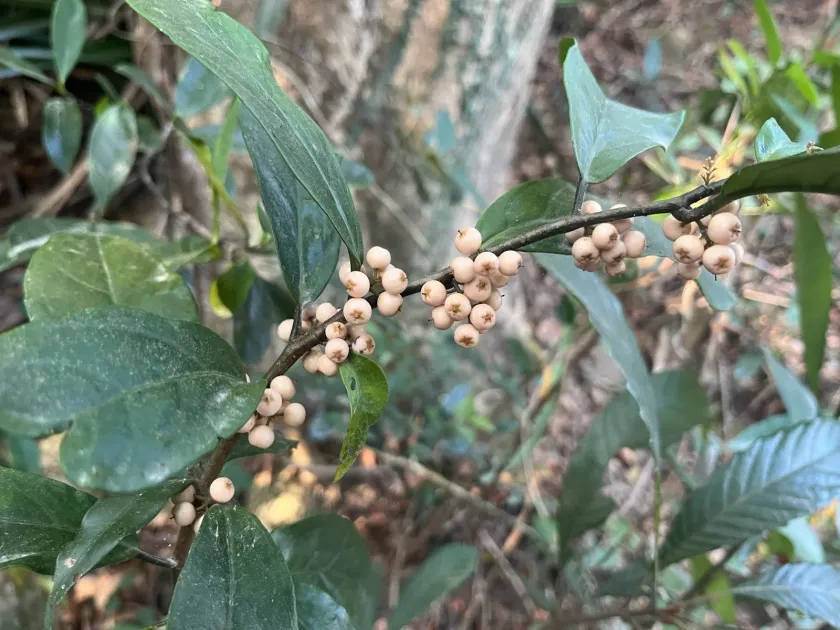
Description
Growing requirements
Maesa japonica is an evergreen shrub belonging to the Primulaceae family. It is widely recognized for its glossy, dark green foliage and clusters of small, fragrant white flowers that appear during the warmer seasons.
The plant originates from the subtropical forests of East Asia, including regions in China, Japan, and Vietnam. It naturally inhabits forest edges and mountain slopes, thriving in environments characterized by high atmospheric humidity and filtered sunlight.
In terms of soil requirements, this species prefers nutrient-rich, acidic to neutral soil that provides excellent drainage. Sandy loams supplemented with compost or peat are ideal for maintaining the structure and moisture levels required for healthy root development.
Climate conditions are crucial for Maesa japonica, as it is a frost-sensitive plant. In temperate regions, it is usually maintained as a container plant in greenhouses or indoor settings where temperatures remain above 10 degrees Celsius throughout the winter.
Agricultural maintenance involves regular hydration and protection from direct, scorching sun. The plant responds well to balanced liquid fertilizers applied during the growing season, which encourages dense growth and enhances its overall aesthetic appeal.
Main diseases and pests
The primary threats to Maesa japonica are root rot and leaf spot fungi, often caused by overwatering or poor soil drainage. Maintaining a consistent moisture level without creating waterlogged conditions is the best prevention strategy.
Pests such as scale insects and mealybugs can colonize the stems and undersides of leaves, causing yellowing and weakening of the plant. These pests often thrive in environments with low air movement and high stagnant humidity.
Chemical control should be used as a last resort, opting instead for horticultural oils or soaps that are safer for the plant. Regular monitoring is essential, as early intervention prevents the spread of pest populations to other nearby specimens.
Environmental stress, such as exposure to cold drafts or extreme temperature fluctuations, can cause sudden leaf drop. Placing the plant in a stable location is crucial for its long-term health and consistent growth.
Sanitation practices, such as removing fallen leaves from the soil surface, help reduce the reservoir for potential diseases. A clean growing environment significantly decreases the risk of fungal outbreaks in the greenhouse or conservatory.
Harvesting
While primarily grown for ornamental purposes, Maesa japonica is also used in traditional herbal medicine in certain Asian cultures. Harvest of vegetative parts for these purposes is typically conducted during the period of peak sap flow.
Leaves are carefully picked by hand, ensuring that no more than one-third of the total foliage is removed at any given time to avoid stressing the plant. Proper drying of the harvested material is essential to prevent mold and preserve active compounds.
The fruit, which appears as small white berries, is generally not harvested for commercial agricultural purposes. However, in botanical studies, their collection is timed to coincide with full ripeness to gather viable seeds for propagation.
Post-harvest care of the plant includes immediate watering and fertilization to help the shrub recover its vigor. It is recommended to perform any necessary pruning shortly after the main harvest to shape the crown and stimulate new growth cycles.
Always use disinfected tools during the harvest process to prevent the introduction of pathogens into the vascular system of the shrub. Clean cuts ensure a faster healing process for the branches, reducing the window of opportunity for infection.