
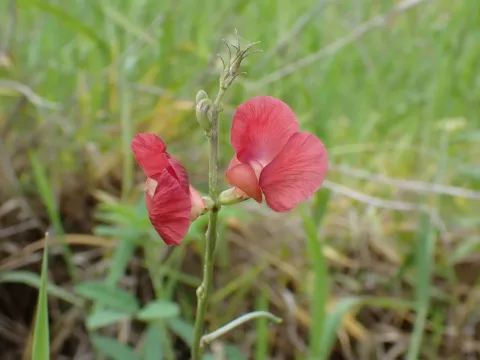
Macroptilium
Macroptilium
Macroptilium is a genus of herbaceous plants within the Fabaceae family, widely recognized for its agricultural versatility. Native to tropical regions of the Americas, these plants have become a staple for sustainable forage and soil management systems globally.
What the section contains


Macroptilium
The optimal time for sowing Macroptilium is at the beginning of the rainy season when soil temperatures are consistently above 20 degrees Celsius. This ensures the seeds have access to the moisture required for rapid germination and root development.
Seeds should be planted at a shallow depth of 1 to 3 centimeters, depending on soil texture. Proper seed-to-soil contact is essential for uniform emergence, especially in drier environments where initial moisture is the limiting factor for seedling survival.
Depending on the intended use, seeding rates vary; higher densities are used for quick green manure cover, while lower rates are sufficient for pasture establishment. Careful planning of row spacing facilitates maintenance and improves air circulation.
Inoculation with specific Rhizobium bacteria is highly recommended when planting in new areas. This symbiosis is critical for effective nitrogen fixation, which significantly boosts the plant's growth and contributes to soil fertility.
Macroptilium thrives in tropical and subtropical climates. It is highly valued for its tolerance to brief dry spells, although it is strictly sensitive to frost and freezing temperatures, which can severely damage or kill the entire plant.
The crop prefers well-drained soils with a pH ranging from neutral to slightly acidic. While it demonstrates remarkable adaptability to lower-fertility soils, maximum productivity is observed in fertile loamy or sandy loam soils with adequate phosphorus levels.
Sunlight is a key factor for the successful growth of Macroptilium. It is a light-demanding crop, and significant shading by canopy trees or weeds will lead to reduced biomass production, etiolation, and diminished flowering potential.
Water management is essential, as the plant does not tolerate waterlogged conditions. Excessive moisture in the soil profile can quickly lead to root rot and other fungal diseases, making site selection a critical pre-planting decision.
Maintaining soil fertility through phosphorus and potassium applications can further optimize yield, especially in depleted soils. Regular soil testing helps in managing nutrient levels to support the high nitrogen-fixing capacity of this legume.
The productivity of Macroptilium is significant, particularly when used for intensive grazing or as a high-protein forage source. With proper management, the crop can provide multiple harvests during a single growing season.
Average yields of dry matter can range between 3 to 8 tons per hectare, depending on local rainfall, soil quality, and grazing pressure. High leafiness contributes to excellent nutritional value, making it highly palatable for livestock.
In pasture systems, Macroptilium is often intercropped with grasses. This combination balances the feed ration, providing livestock with a mixture of energy from grasses and high-quality protein from the legume component, ultimately increasing animal weight gains.
As a green manure crop, Macroptilium serves as an efficient nitrogen fixer. By incorporating the biomass into the soil, farmers can naturally enrich the land, improving soil structure and organic matter content for subsequent cereal or vegetable crops.
Rotational grazing is the recommended method to maximize yield and longevity. Avoiding overgrazing ensures that the plant retains enough leaf area to regenerate quickly after animals are moved to the next paddock.
Fungal pathogens represent the primary threat to Macroptilium crops. Diseases such as anthracnose and powdery mildew are prevalent in humid conditions, causing leaf spots and potential defoliation if left unmanaged.
Insect pests, including various beetles and lepidopteran larvae, can damage both foliage and floral structures. Regular field scouting is necessary to detect early infestations and determine the need for control measures.
Root rot, often a consequence of poor drainage or overwatering, can wipe out sections of a field. Prevention through field preparation and water control remains the most effective management strategy for this type of disease.
Viral infections, often transmitted by aphids or whiteflies, can lead to stunted growth and lower yields. Integrated pest management (IPM) practices, such as controlling vectors and maintaining field hygiene, are essential to minimize viral spread.
Biological and chemical control measures must be implemented carefully. Choosing selective pesticides that do not harm pollinators is vital for sustainable crop production, as Macroptilium relies on insect activity for successful seed set.
The timing of harvest depends on whether the crop is intended for forage or seed production. For high-quality hay, cutting should occur during the early flowering stage to ensure the highest protein content and digestibility.
Seed harvesting requires careful timing, as the pods are prone to shattering. The harvest should ideally take place when pods turn color but before they dry completely and pop open, preventing substantial seed loss on the field.
Mechanized harvesting requires careful setting of combine parameters to prevent excessive breakage of the seeds. High-quality seeds are essential for future planting, so delicate handling is a priority during the threshing and cleaning process.
Post-harvest, seeds must be dried to a moisture content of approximately 10–12 percent. Proper drying prevents fungal growth and maintains high viability during storage, allowing the seeds to be kept for several seasons if required.
Storage should be in cool, dry, and rodent-proof facilities. Periodically checking the stored seed stock ensures that humidity levels remain low and that no secondary pest issues have compromised the quality of the harvested material.