
Macroptilium atropurpureum
Macroptilium atropurpureum (DC.) Urb.
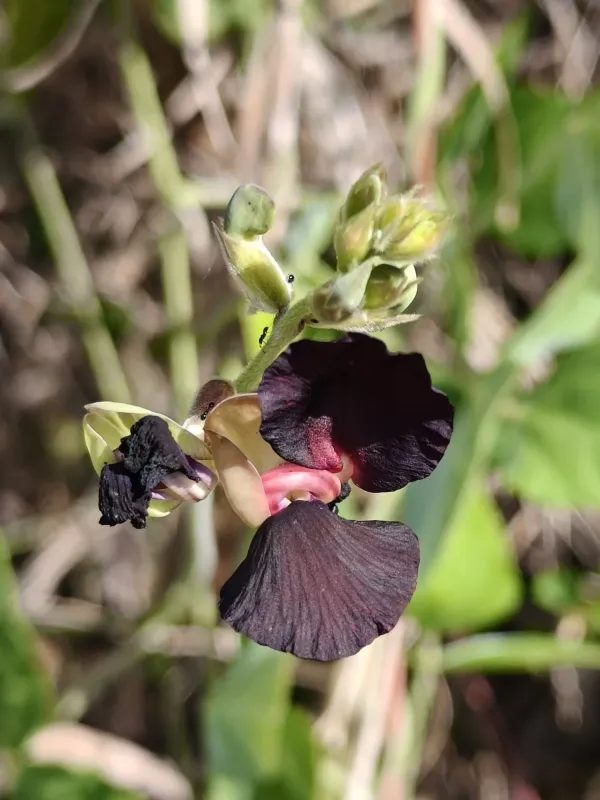
Description
Sowing dates
The optimal sowing time for Macroptilium atropurpureum is at the beginning of the rainy season, when soil temperatures consistently exceed 20°C. In tropical regions, this timing ensures rapid germination and vigorous root system development before the onset of the dry season.
The seeding rate typically ranges from 2 to 5 kg per hectare, depending on the planting method and seed quality. It is highly recommended to use scarified seeds to improve germination rates, as the seeds possess a hard seed coat that can inhibit water absorption.
Seeds should be planted at a shallow depth of 1-2 centimeters to prevent seedling mortality. The crop responds well to sowing in well-prepared, weed-free soil, which ensures that the young plants are not outcompeted by aggressive weeds during the critical early growth stages.
Macroptilium atropurpureum can be sown either as a pure stand or in mixtures with tropical grasses to create a balanced pasture. Intercropping promotes better nitrogen nutrition for the grasses due to the activity of nitrogen-fixing bacteria residing in the legume's root nodules.
When overseeding into established pastures, it is vital to minimize competition from existing sod by mowing or grazing the area beforehand. This creates the necessary light conditions for the young plants to establish themselves effectively and commence steady growth.
Growing requirements
Macroptilium atropurpureum is a perennial herbaceous legume belonging to the Fabaceae family, known for its trailing or climbing growth habit. Originating from tropical regions of the Americas, it is highly valued for its adaptability to various tropical climates.
The crop exhibits high drought tolerance, making it an ideal choice for regions with a distinct dry season lasting up to 4-5 months. The plant is capable of utilizing moisture from deep soil horizons efficiently, thanks to its robust and deep taproot system.
Regarding soil conditions, the plant is relatively undemanding, although it performs best on well-drained loams. It can tolerate moderately acidic soils but performs poorly in waterlogged conditions or areas prone to long-term flooding.
Successful development requires full sun exposure, as the plant does not tolerate heavy shading from dense tree canopies. Macroptilium is sensitive to low temperatures and growth stops completely during frosts, which restricts its cultivation to tropical and subtropical zones.
Agronomic management requires ensuring adequate phosphorus levels in the soil, as this is a key nutrient for nodule development and efficient nitrogen fixation. Periodic applications of superphosphate significantly increase total biomass and the nutritional quality of the forage.
Yield
The yield of Macroptilium atropurpureum green matter depends directly on the grazing management regime and soil fertility. With proper pasture management, the crop can provide multiple cuts throughout the growing season, recovering vigorously after grazing by livestock.
Average productivity under favorable conditions ranges from 5 to 10 tons of dry matter per hectare annually. The high leaf-to-stem ratio provides excellent nutritional value, rich in protein, which is essential for livestock production and weight gain.
Grazing intensity must be strictly controlled; overgrazing leads to the depletion of nutrient reserves in the roots, eventually causing pasture degradation. The optimal approach is to rotate grazing cycles with rest periods, allowing the plant to accumulate sufficient green biomass.
Seed productivity is also an important economic factor, enabling farmers to secure their own supply of planting material. Harvesting seeds is challenging due to the uneven maturation of the pods, which requires multiple rounds of manual or mechanized collection.
Symbiosis with native rhizobia strains has a positive impact on yield, allowing the plant to fix substantial amounts of atmospheric nitrogen. This provides natural soil enrichment and reduces the need for expensive chemical nitrogen fertilizers.
Main diseases and pests
Macroptilium atropurpureum is relatively resistant to most pests, but it can be susceptible to foliage-eating insects such as cutworms. In periods of high humidity, outbreaks of fungal leaf diseases can occur, which reduce the total photosynthetic surface of the plant.
Among the most serious diseases are powdery mildew and anthracnose, which typically affect plants in dense stands with poor air circulation. Prevention involves maintaining optimal plant density and timely grazing or mowing to manage excess canopy growth.
Pests that damage seeds can cause significant losses in grain yield, particularly weevils that penetrate the pods. To manage these threats in seed production areas, integrated pest management strategies, including biological controls, are highly recommended.
Soil-borne nematodes can infect the root system in specific environmental conditions, leading to stunted growth and reduced overall plant vitality. Implementing a proper crop rotation cycle helps to significantly lower the risk of soil-borne pathogens.
A critical factor for plant survival is competition with aggressive weeds during early development. Failure to control weed growth in the initial stages often leads to the loss of the crop from the agro-ecosystem and a decrease in potential yield.
Harvesting
Harvesting Macroptilium atropurpureum for forage is carried out through intensive grazing or mowing for hay. It is crucial to mow at a height of at least 10-15 centimeters above the ground to avoid damaging the crown and to ensure rapid regrowth of the plants.
When preparing hay, drying should be performed carefully to preserve the leaves, which contain the highest protein concentration. Rapid drying in windrows helps prevent shattering and the loss of high-value nutritional components contained in the leaf blades.
Seed harvesting requires special attention due to the dehiscence (shattering) of the pods upon full maturity. Harvesting should be initiated when pods turn brown but before they start shattering naturally, releasing seeds onto the ground.
To minimize losses during seed production, specific drying methods under shelters are used, where seeds ripen naturally. After harvesting, seeds are cleaned of debris and stored in a cool, dry place to maintain high viability until the next sowing season.
In large-scale operations, farmers use combine harvesters with adjustable drum speeds to reduce mechanical damage to the seeds. High-quality seed material is the cornerstone of successful pasture renewal in the years following the initial planting.