
Agrotriticum
x Agrotriticum
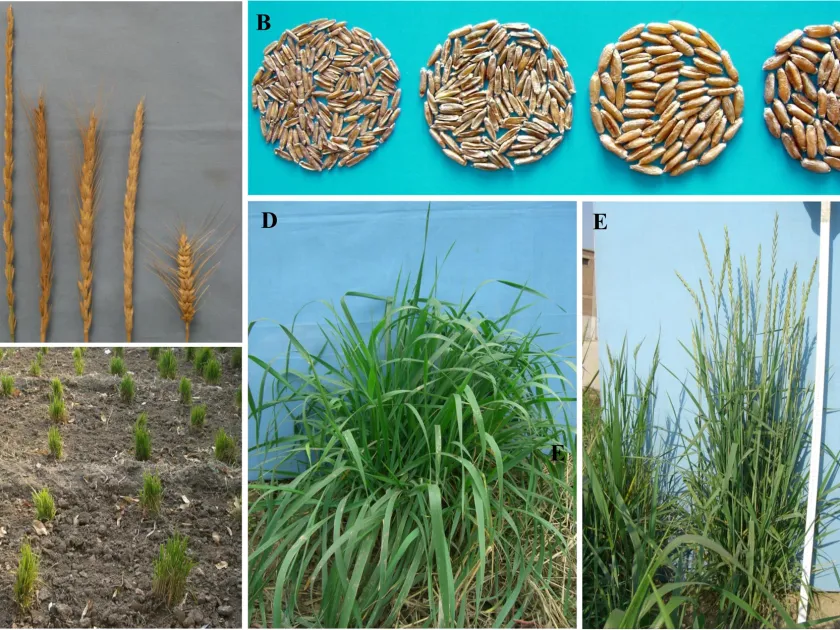
Description
Sowing dates
Agrotriticum is a complex intergeneric hybrid obtained by crossing wheat (Triticum) and wheatgrass (Agropyron/Elymus). This crop belongs to the Poaceae family and was developed by breeders to combine the high productivity of wheat with exceptional winter hardiness and resistance to environmental stressors inherent in its wild relatives.
The sowing time for Agrotriticum depends on the region of cultivation and the biological characteristics of the specific variety. In temperate climates, winter sowing is predominantly practiced, allowing the crop to efficiently utilize early spring moisture and develop a robust root system before the onset of summer drought.
Optimal sowing dates for winter forms occur between late August and mid-September, giving the plants sufficient time for successful tillering. It is important to consider soil temperature, which should ideally range between 12 and 15 degrees Celsius to ensure uniform germination.
The seeding rate is calculated based on the thousand-kernel weight and the purity of the seed material. Typically, 4 to 5 million viable seeds are sown per hectare, which provides optimal plant stand density and minimizes competition for nutrients.
The depth of seed placement is a critical parameter determining seedling survival. In sandy or light soils, seeds are placed at 5–6 cm depth, while in heavier clay soils, a depth of 3–4 cm is considered optimal to ensure rapid emergence.
Growing requirements
The crop has moderate requirements for soil fertility, although it thrives best on structured chernozems and chestnut soils. High tolerance to salinity and acidity makes Agrotriticum a promising candidate for utilizing marginal lands.
Agrotriticum features a well-developed root system, allowing it to efficiently absorb less available forms of phosphorus and potassium. The plant is highly sensitive to shading, so dense stands or overshadowing can lead to stem lodging and decreased grain quality.
Climatic requirements for this crop include high winter hardiness and the ability to withstand late spring frosts. The hybrid demonstrates remarkable resilience to stress caused by moisture deficits, making it highly relevant for regions with risky agricultural conditions.
The fertilizer program for Agrotriticum is based on a balance of macronutrients, with nitrogen fertilizers ideally applied in split doses. Maintaining an optimal nitrogen-phosphorus ratio is crucial to prevent excessive vegetative growth and enhance overall resistance to pathogens.
Cultivation practices include mandatory soil rolling after sowing to ensure firm contact between the seeds and the soil. During the vegetative phase, harrowing is recommended to break the soil crust and improve oxygen access to the roots.
Yield
The yield of Agrotriticum varies depending on the breeding objective and the level of technological intensification. In favorable years, the crop shows high productivity comparable to elite winter wheat varieties while maintaining stability during adverse seasons.
Economic uses include the production of high-quality feed grain and biomass. Due to its high protein content, Agrotriticum grain is a valuable component for the feed industry and livestock rations.
Yield stability is achieved through a high level of tillering and the plant's ability to form heavy ears. Even under extreme climatic pressures, the crop is capable of producing a marketable yield where traditional wheat varieties might fail.
The multiplication coefficient of the crop allows for rapid adoption of new varieties in mass production. The genetic plasticity of Agrotriticum provides opportunities for selection for both forage and food purposes, including the production of specialty flours.
Yield potential can only be achieved through strict adherence to crop rotation. The best predecessors for the crop are grain legumes, clean fallows, and perennial grasses, which enrich the soil with nitrogen and improve its overall structure.
Main diseases and pests
Major phytopathological risks include rust, powdery mildew, and fusarium head blight. Resistance to these diseases is incorporated at the genomic level during hybrid creation, but monitoring the phytosanitary condition of the fields during periods of humid weather remains essential.
Pests that threaten the crop include wheat beetles, sunn pests, and cereal flies. To protect the plants, an integrated pest management system is recommended, combining preventive agrotechnical measures and biological control agents.
Fungal infection most often occurs during the flowering and grain-filling phases, requiring timely application of fungicides. The choice of products should be based on disease forecasting and economic damage thresholds for each specific zone.
Insecticide application is performed based on field monitoring results when the critical pest population density is exceeded. It is crucial to follow pesticide application regulations to avoid chemical residues in the product and preserve beneficial entomofauna.
Weeds pose a significant challenge during the early stages of development, making the application of selective herbicides during the tillering phase standard practice. Weed-free fields ensure more efficient utilization of solar energy and nutrients.
Harvesting
Harvesting of Agrotriticum is conducted in the full grain maturity phase, when grain moisture reaches 14–16%. Direct combining is the preferred method, allowing for reduced losses and ensuring high quality of the harvested crop.
To prevent losses from shattering, which is characteristic of some varieties, it is important to start harvesting within a tight timeframe. Adjusting the combine harvester's threshing mechanism requires special attention due to the unique ear morphology of the hybrid.
Post-harvest grain processing includes cleaning on separators and drying if moisture levels exceed established norms. Product storage should take place in dry, ventilated areas with temperature control to prevent mold development and storage pests.
Straw remaining after harvest should be handled carefully; it can be used as bedding or chopped for incorporation as organic fertilizer. Returning crop residues to the soil cycle helps maintain humus levels.
Transporting grain to elevators requires specialized containers or grain trucks to prevent mixing with other crops. Proper logistics at the harvest stage ensure the preservation of the crop’s quality and market value.