
Neotyphodium
Neotyphodium
Description
Growing requirements
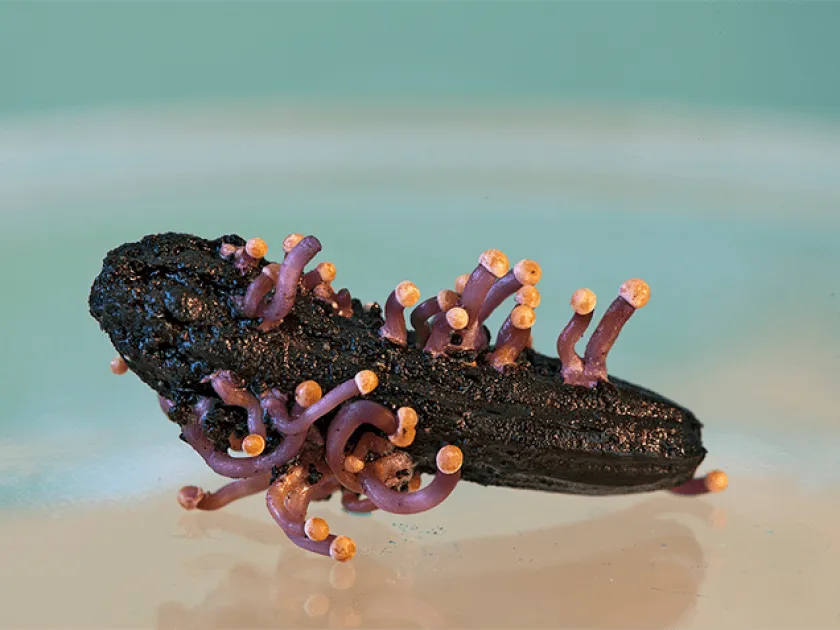
Neotyphodium represents a genus of fungi belonging to the Clavicipitaceae family. These are symbiotic endophytes that live exclusively within the intercellular spaces of many cool-season grasses, including tall fescue and perennial ryegrass.
The fungus is maternally inherited through seeds, establishing a long-term mutualistic association with the host plant. Unlike parasitic fungi, it does not typically cause disease symptoms, as it relies on the host's reproductive success for its own dissemination.
The evolutionary origin of this symbiosis is tied to the adaptation of grasses to harsh environments. The presence of the fungus significantly improves the host's survival rate in poor soils and under extreme weather conditions.
Climatic requirements for the symbiosis are dictated by the host plant's needs. Temperate climates provide the most favorable conditions for both the grass and the endophyte to maintain the balance of metabolic exchange.
Agricultural management of these endophytes focuses on balancing their benefits, such as drought tolerance and insect resistance, against the potential risks posed by the alkaloids they produce in livestock forage.
Main diseases and pests
The primary concern regarding Neotyphodium in agriculture is its production of ergot alkaloids. These chemical compounds can be highly toxic to livestock, leading to conditions like fescue toxicosis, which causes restricted blood flow and weight loss in cattle.
Conversely, the fungus serves as a potent biological defense mechanism. It protects the host plant against various pests, including leaf-feeding insects and nematodes, by producing secondary metabolites that deter herbivory.
In terms of plant health, Neotyphodium colonization provides enhanced tolerance to fungal pathogens. The biochemical environment created within the plant tissues makes it difficult for opportunistic diseases to take hold.
Agronomic strategies include the use of endophyte-free seeds or specifically developed 'novel' endophyte strains. Novel strains are designed to provide the plant with environmental protection without producing the toxins harmful to grazing animals.
Monitoring the infection levels in forage crops is essential for livestock safety. When toxicity levels are high, producers must rotate grazing fields or supplement diets to mitigate the negative impacts of endophyte-produced alkaloids.