
Macroptilium bracteatum
Macroptilium bracteatum (Nees & Mart.) Maréchal & Baudet
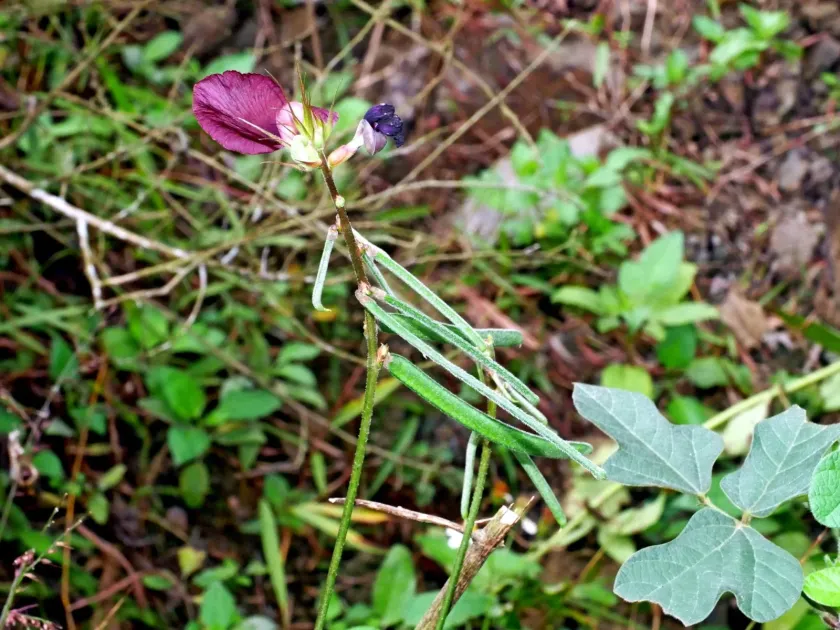
Description
Sowing dates
The sowing of Macroptilium bracteatum is typically conducted when stable warm temperatures are established, with soil temperatures reaching between 18–22°C. The optimal timing is generally the beginning of the rainy season in tropical and subtropical climates.
Seeds are sown at a depth of 1–2 centimeters, ensuring firm contact with the soil to promote rapid germination. Maintaining an optimal plant population density is essential to prevent competition during the critical early growth stages.
To accelerate germination rates, seeds may undergo scarification, as the hard seed coat can sometimes delay moisture absorption. This practice helps ensure more uniform and vigorous seedling emergence in the field.
When used in pasture mixtures, the crop is sown alongside fast-growing grasses. This practice helps balance the livestock diet by improving the overall protein content of the grazing area.
Field preparation involves deep plowing and thorough leveling of the surface, which facilitates better moisture distribution and simplifies subsequent maintenance of the sward.
Growing requirements
Macroptilium bracteatum is a member of the Fabaceae (legume) family and is a perennial herbaceous plant. It is highly regarded for its ability to adapt to diverse environmental conditions in its native South American range.
The crop prefers well-drained soils but shows remarkable resilience to brief periods of waterlogging and occasional droughts. This makes it a promising species for the rehabilitation of degraded agricultural lands.
The plant possesses a strong nitrogen-fixing ability through symbiosis with nodule bacteria. The application of phosphate fertilizers during early growth stages significantly enhances overall productivity and plant vigor.
The optimal soil pH range for successful cultivation is neutral to slightly acidic. The plant does not tolerate extremely alkaline soil conditions well, which can inhibit nutrient uptake.
For intense growth, Macroptilium requires sufficient exposure to sunlight. Shading leads to stem elongation and significantly reduces the accumulation of green biomass, which is critical for its primary use as fodder.
Yield
The agricultural utility of Macroptilium bracteatum centers on the creation of high-protein pastures for cattle. The plant is palatable and nutritious when grazed in its fresh vegetative state.
Yield of green biomass is heavily dependent on soil fertility levels and the rainfall regime during the growing season. Under favorable conditions, the crop is capable of producing multiple cuts per year.
The biological value of Macroptilium is defined by high crude protein content in its leaves and stems. This significantly improves the nutritional quality of the forage base without the need for expensive feed supplements.
Its ability to recover quickly after grazing makes it an excellent candidate for rotational grazing systems. The plant maintains its viability even under moderate grazing pressure.
In its native regions, Macroptilium bracteatum is also used as a cover crop to protect soil from erosion and improve soil structure through the development of a robust and deep root system.
Main diseases and pests
Common diseases affecting this species include fungal infections such as anthracnose and various leaf spots, which typically develop under conditions of high humidity and poor canopy ventilation.
Pests that threaten the crops include sucking insects such as aphids and weevils, which damage young leaf tissues and inflorescences, thereby reducing the seed yield of the culture.
Excessive rainfall during the flowering period can provoke the development of pod rot, which negatively impacts seed production. Regular monitoring of the field allows for early detection of infection hotspots.
Weed management during the establishment phase is a critical step. Because of its relatively slow initial growth rate, Macroptilium can struggle to compete with more aggressive local weed species.
Utilizing resistant varieties and adhering to sound crop rotation practices are the most effective strategies for reducing disease risk and minimizing economic damage from pests in agricultural settings.