
Steinchisma
Steinchisma Raf.
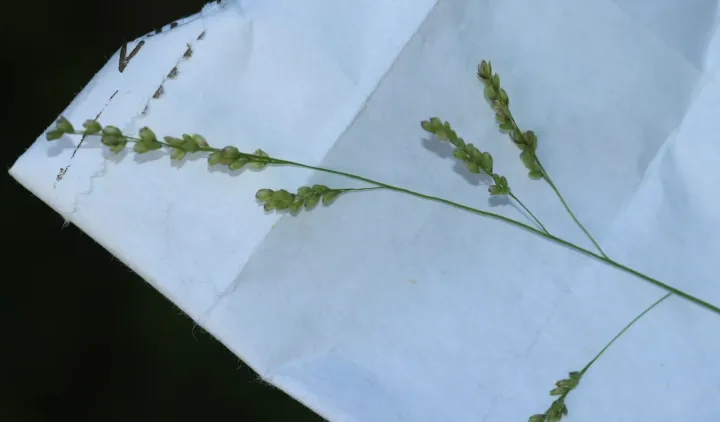
Description
Growing requirements
The genus Steinchisma belongs to the Poaceae family. These are primarily perennial grasses native to tropical and subtropical regions of the Americas, where they naturally thrive in grasslands and open field environments.
The species within this genus prefer well-drained, fertile soils. They are known for their adaptability to a variety of moisture conditions, demonstrating tolerance to both seasonal humidity and moderate drainage levels common in tropical ecosystems.
Sunlight is a crucial requirement for the healthy growth of Steinchisma. Plants perform optimally in full sun, where they can maximize photosynthesis, leading to higher biomass accumulation and better development of the root system.
Being a heat-loving crop, Steinchisma requires a stable warm climate. It flourishes in temperatures between 22 and 30 degrees Celsius. Exposure to frost is detrimental and often leads to the dormancy or death of the above-ground parts of the plant.
Agrotechnical management starts with thorough soil preparation. Because seedlings establish slowly, weed control during the early growth stages is essential to ensure that the young grass can effectively take over the space.
Yield
Steinchisma is primarily utilized for livestock grazing and hay production. Its nutritional profile makes it a reliable feed source, providing necessary fiber and energy for ruminants when managed correctly under rotational grazing systems.
Foraging yields are highly dependent on soil fertility management. Applying nitrogen-rich fertilizers at the beginning of the growing season can significantly boost biomass production, ensuring a high-quality yield per hectare.
The timing of harvest is critical for maintaining feed quality. To achieve the best protein content and digestibility, the grass should be harvested at the early heading stage, before the cell walls thicken and lignify.
The persistence of the stand is one of the main advantages of this crop. Once established, Steinchisma can maintain productivity for multiple years, providing a cost-effective solution for permanent pasture land.
In intensive systems, the ability of the plant to recover quickly after defoliation allows for multiple cuttings or frequent grazing cycles throughout the warm season.
Main diseases and pests
Steinchisma may be susceptible to common grass diseases, such as leaf rust and various fungal leaf spots. These issues are particularly prevalent during periods of high humidity and poor air circulation within the canopy.
Pest pressure from aphids or stem-boring insects can potentially impact growth. Integrated Pest Management (IPM) strategies, including monitoring and biological control, are recommended to maintain field health without excessive chemical use.
Proper pasture management, such as avoiding overgrazing and maintaining optimal stocking rates, helps in keeping the grass stand vigorous and more resilient against pest and disease outbreaks.
In cases of severe infestation, targeted fungicide or insecticide applications may be necessary. It is important to adhere to agricultural safety standards and pre-harvest intervals to ensure safety for livestock consumption.
Maintaining a healthy soil nutrient balance and preventing water stagnation are key cultural practices that significantly reduce the vulnerability of the crop to environmental stressors and pathogens.