
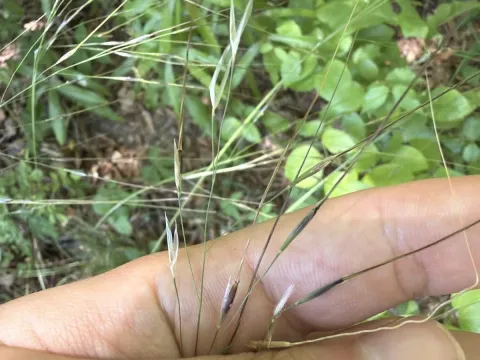
Piptochaetium
Piptochaetium J. Presl
Piptochaetium is a genus of perennial grasses within the Poaceae family, widely recognized for its adaptability to various grassland ecosystems. Sowing is typically conducted during early spring or autumn, providing the optimal balance of moisture and temperature required for uniform seed germination and seedling establishment.
What the section contains

Piptochaetium
The ideal soil temperature for germination ranges between 10 and 12 degrees Celsius. Sowing depths should be kept shallow, generally between 1 and 3 centimeters, depending on soil moisture levels and texture, ensuring that the seeds remain in contact with enough humidity to initiate and maintain growth.
In regions with distinct dry seasons, late-autumn seeding is often preferred as it allows seeds to benefit from winter soil moisture and the early spring thaw. This natural stratification process enhances the vigor of the seedlings once temperatures rise, leading to a more robust pasture establishment.
Proper field preparation is essential; the soil surface must be well-leveled and firm to ensure good seed-to-soil contact. This practice is crucial for the success of Piptochaetium, as it promotes efficient water uptake and reduces the competitive influence of weed species during the early growth stages.
Seeding rates should be adjusted based on the target usage of the land, whether it is for intensive pasture grazing or soil conservation purposes. Using standard grain drills calibrated for small-seeded grasses allows for even distribution and ensures that the desired plant density is achieved across the field.
Piptochaetium thrives in temperate and subtropical climates, demonstrating high ecological resilience. These grasses are typically found in open landscapes such as prairies and steppes, where they can fully utilize available solar radiation, which is critical for maintaining high photosynthetic productivity.
The crop is relatively flexible regarding soil conditions but performs best in well-drained loamy or sandy soils. Waterlogged or poorly drained conditions are detrimental to the root system, often leading to stunted growth or increased susceptibility to soil-borne pathogens that can devastate the grass stands.
One of the most significant traits of Piptochaetium is its drought tolerance, attributed to a deep and complex root system. This allows the plant to access subsoil moisture during periods of low rainfall, maintaining forage quality and green cover when other common grasses may enter dormancy.
While Piptochaetium can grow in various soil pH levels, it shows optimal biomass production in near-neutral substrates. The application of balanced fertilizers during the initial growth phase can significantly enhance the stand density and total forage yield, especially in soils that may be low in nitrogen.
The grass is capable of surviving harsh winter conditions in the higher regions of its range, showing significant cold hardiness. However, maintaining the integrity of the pasture requires careful management to avoid soil compaction and damage to the root systems during the thawing period when the ground is soft.
The primary agricultural application of Piptochaetium lies in its value as a high-quality forage source for livestock. Yield is dictated by proper pasture management practices, including grazing rotation and the maintenance of soil fertility, which ensure that the grass remains productive throughout the season.
Nutritional value is highest during the vegetative stages, specifically when the plant is in the tillering or early elongation phase. During these stages, the protein and carbohydrate content is optimal, making the forage an excellent energy source for cattle, sheep, and other herbivores.
Seed production is consistent when the crop is managed under favorable weather conditions and protected from pests during the flowering phase. Producers can harvest seeds using standard harvesting equipment, ensuring that the moisture content is low enough to prevent spoilage during storage.
Rotational grazing systems are highly recommended to maximize the longevity and yield of Piptochaetium pastures. By allowing periods of rest between grazing cycles, the plant can regenerate its vegetative mass and replenish root reserves, which is essential for maintaining stand vitality over several years.
Productivity is monitored through standard sampling techniques, where biomass per hectare is estimated throughout the growing season. Because it is a perennial, the initial investment in establishing a Piptochaetium pasture pays off over time, offering a cost-effective solution for permanent grazing land.
Like many members of the Poaceae family, Piptochaetium is susceptible to common fungal diseases such as rust and powdery mildew. These pathogens thrive in humid environments, and if left untreated, they can significantly reduce the foliage quality and total biomass yield of the grass stand.
Insect pests, including various aphids and grass-feeding beetles, can cause damage during the active growing season. Integrated Pest Management (IPM) strategies, which prioritize natural predators and timely monitoring, are effective at keeping these populations below the economic injury threshold.
Root rots pose a threat in areas with poor drainage or excessive soil compaction. Preventive measures focus on maintaining good soil aeration and following proper crop rotation sequences, which break the life cycles of soil-borne pathogens that might otherwise accumulate in the field.
- Selection of disease-resistant varieties if available in the region.
- Regular field monitoring to detect disease onset at early stages.
- Implementation of diverse crop rotation schedules to reduce pathogen pressure.
- Proper fertilization to ensure strong plant immunity against pests.
- Weed management to prevent alternate hosts for common cereal diseases.
Integrated management is essential for long-term pasture health. By combining cultural practices—such as proper grazing pressure and fertility management—with cautious chemical use only when absolutely necessary, producers can minimize environmental impact while maintaining a healthy and productive forage resource.
Harvesting for hay should occur at the late boot or early heading stage to capture the optimal balance of fiber and nutritional quality. Rapid drying of the cut biomass is essential to preserve nutrients and prevent the formation of mold, which is particularly important for high-quality livestock feed.
Modern baling equipment allows for efficient collection and storage of the harvested forage. Proper storage in dry, well-ventilated barns protects the hay from moisture and fungal growth, ensuring that the forage retains its nutritional integrity for winter supplementation of livestock rations.
If managed as a grazing resource, the harvest is continuous throughout the season. Managers should monitor the residual height, ensuring that plants are not overgrazed. Maintaining a minimum height ensures that enough leaf area remains for rapid regrowth after the animals have been moved to the next pasture plot.
Seed harvesting requires precision, as the seeds of many Piptochaetium species tend to shatter upon reaching full maturity. Adjusting the combine harvester’s settings to be gentle and timing the harvest correctly are critical steps to prevent loss and ensure high purity and yield of the seeds.
Post-harvest conditioning involves cleaning the seed material to remove debris and drying it to safe moisture levels. Properly stored seeds maintain high viability for the next planting cycle, serving as a reliable foundation for the continued expansion or rejuvenation of the grass stands.