
Lycopodiella
Lycopodiella
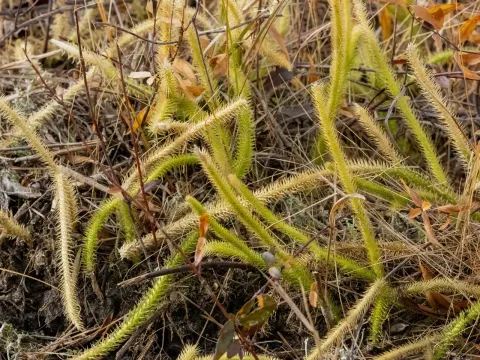
Lycopodiella is a genus of perennial spore-bearing plants belonging to the family Lycopodiaceae. These primitive vascular plants represent an ancient lineage that has persisted for millions of years, maintaining unique morphological traits adapted to wet environments.
What the section contains

Lycopodiella
The native range of this genus is widespread across temperate and subtropical regions of the Northern Hemisphere. They are typically found in wetland habitats, including bogs, fens, and damp sandy soils, where they thrive in low-nutrient, high-acid conditions.
The morphology of Lycopodiella is defined by its prostrate or creeping growth habit. The stems are branched and covered in small, simple leaves, forming dense mats that are highly attractive in botanical garden settings or specialized humid environments.
Successful cultivation requires meticulous attention to environmental parameters. The substrate must be consistently moist and acidic, mimicking the nutrient-poor conditions of bogs. Avoid using tap water with high mineral content, as these plants are highly sensitive to soil chemistry.
While not a traditional food or fiber crop, Lycopodiella is used in horticulture for restoration ecology and in terrarium design. Its distinct, primitive appearance makes it a sought-after specimen for collectors interested in the evolution of land plants.
The primary threats to Lycopodiella include soilborne fungal pathogens, particularly in instances where drainage is compromised. Root rot is a common issue if the growing medium becomes compacted or stagnant, leading to rapid decay of the prostrate stems.
Pest pressure from spider mites is frequently observed when the atmospheric humidity drops below optimal levels. These pests thrive in dry environments and can quickly desiccate the delicate foliage of the clubmoss.
Improper substrate pH is a major physiological threat. If the soil becomes too alkaline, the plant will struggle to absorb necessary nutrients, leading to stunted growth and discolouration of the leaflets. Maintaining a low pH is essential for plant vigor.
Management of these threats involves regular monitoring and habitat stabilization. Increasing air circulation around the plants can help prevent the spread of fungal spores while maintaining the required ambient humidity for the foliage.
Chemical treatments should be approached with caution. Many synthetic pesticides are too harsh for the sensitive tissues of Lycopodiella, necessitating the use of biological control methods and environmental adjustments to maintain plant health.