
Lonchocarpus urucu
Lonchocarpus urucu
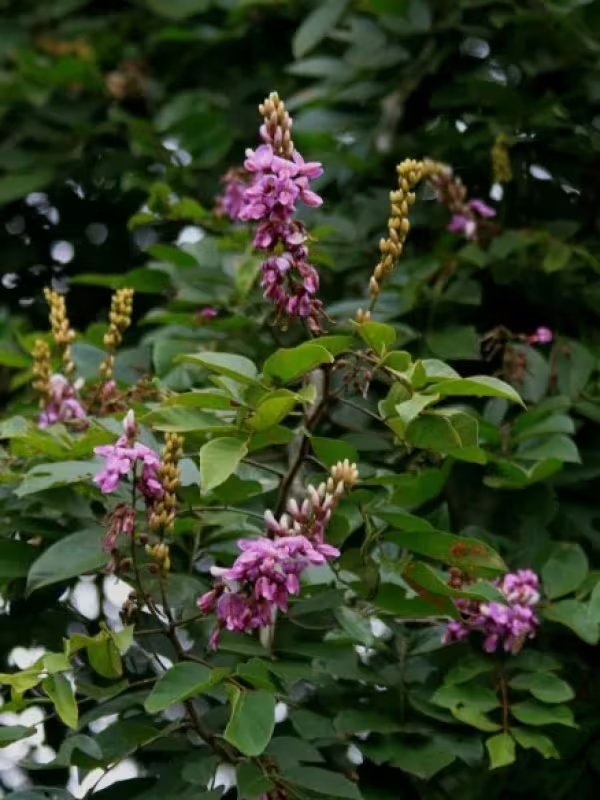
Description
Growing requirements
Lonchocarpus urucu is a member of the Fabaceae family, commonly known for its potential as a source of botanical insecticides. It is a tropical perennial shrub or small tree, native to the Amazon basin, thriving in warm and humid environments.
The crop requires deep, well-drained soils to prevent root asphyxiation, which is a common risk in high-rainfall tropical regions. It thrives in fertile, loamy soils rich in organic matter, which support the development of its substantial root system.
Climate requirements include high annual temperatures and consistent humidity levels without prolonged dry spells. Lonchocarpus urucu is highly sensitive to frost, which limits its commercial cultivation to specific tropical and subtropical latitudinal zones.
Effective agronomic management requires precise irrigation scheduling, especially during the establishment phase of the plantation. Proper spacing is necessary to ensure adequate air circulation, which helps maintain plant health and promotes vigorous vegetative growth.
Nutrient management focuses on sustaining soil fertility to optimize the biosynthesis of secondary metabolites in the roots. The production of rotenone, the key compound in this plant, is linked to the plant's overall health and physiological status.
Main diseases and pests
Fungal pathogens represent the most significant threat to Lonchocarpus urucu, particularly in regions with high humidity. Root rot and leaf spot diseases are common, necessitating a robust disease management program including proper drainage.
Insect pests can cause considerable damage, particularly to younger plants that have not yet developed their full defensive chemical profile. Scouting for defoliating caterpillars and wood-boring insects is vital for maintaining the survival rate of the crop.
Bacterial wilt can occur in poorly managed soils where pathogens find optimal conditions for transmission. Early detection and the removal of infected plants are essential to prevent the spread of disease within the orchard.
Weed management is a priority during the first few years of the life cycle, as the plant grows relatively slowly. Aggressive weeds can easily outcompete Lonchocarpus, depriving it of essential sunlight and nutrients.
Soil-borne nematodes are another concern that can severely impact yield by damaging root tissues. Implementing proper crop rotation strategies or using certified clean planting material helps in mitigating these biological threats.
Harvesting
Harvesting Lonchocarpus urucu is a destructive process that involves the complete removal of the root system. Since the target secondary compounds are accumulated in the roots, the harvest can only occur once per plant lifecycle, typically several years after planting.
Careful excavation is required to ensure that the maximum amount of biomass is retrieved from the soil. The roots must be lifted and detached from the main stem, followed by immediate cleaning to remove adhering soil particles.
Post-harvest processing involves cleaning and drying the roots. This stage is critical; the drying process must be carried out at controlled temperatures to prevent the degradation of rotenone, which is sensitive to excessive heat and UV light.
Once dried to the desired moisture content, the root mass is typically ground into a fine powder. This processed material serves as the primary feedstock for industrial extraction facilities producing natural insecticides.
Standardization is a key component of the harvest process, as root quality is evaluated based on its specific chemical concentration. Efficient processing ensures that the final product meets the required industry specifications for potency.