
Lonchocarpus pentaphyllus
Lonchocarpus pentaphyllus
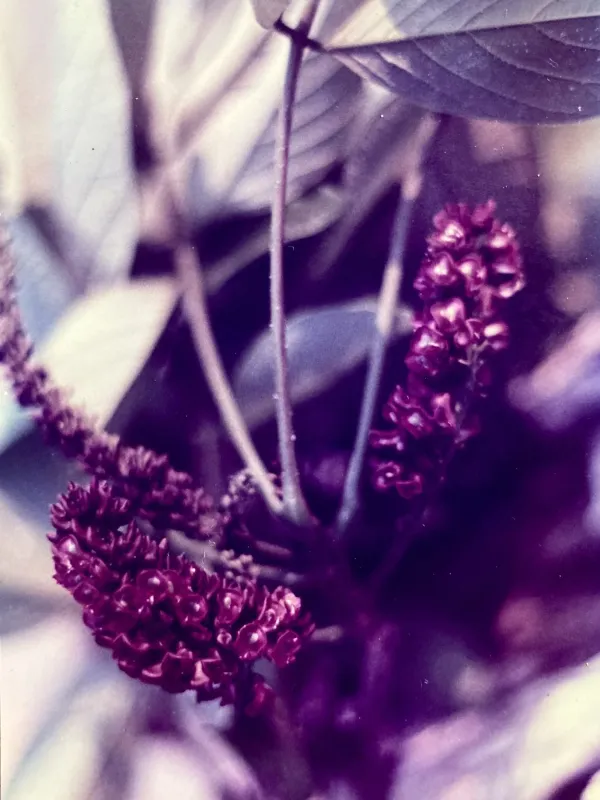
Description
Growing requirements
Lonchocarpus pentaphyllus is a woody plant species belonging to the legume family (Fabaceae). Native to the tropical regions of the Americas and the Caribbean, it is well-known for its adaptability to warm environments.
This crop thrives in tropical climates characterized by constant high temperatures and consistent rainfall. It requires full sun exposure for optimal growth and high-quality biomass production.
Regarding soil, the plant prefers well-drained, fertile substrates. While it shows some tolerance to different soil textures, waterlogging must be avoided to prevent root diseases which are common in tropical agricultural settings.
The morphology of the plant includes compound leaves with five leaflets, characteristic of the species name. As a legume, it contributes to soil nitrogen fixation, making it beneficial for ecological soil management practices.
Lonchocarpus pentaphyllus is commercially significant primarily due to its roots, which contain rotenone. This compound is a powerful natural insecticide used extensively in organic and integrated pest management systems worldwide.
Main diseases and pests
Root rot caused by fungi such as Fusarium or Phytophthora remains the primary threat in poorly drained soils. Improving drainage and soil aeration are critical mitigation strategies.
Aphids and mites can infest the foliage, especially during the early stages of growth. Monitoring these populations is necessary to ensure the health of the tree canopy.
Termites and wood-boring beetles, while less attracted to the plant due to its chemical defenses, can occasionally cause damage to old or weakened specimens.
Leaf spot diseases can occur during prolonged periods of high humidity. Proper spacing between trees is essential to facilitate air circulation and minimize the spread of airborne pathogens.
General orchard hygiene, including the removal of debris and infected wood, is the most effective method for maintaining a healthy stand of these trees without heavy chemical intervention.